
Elvira Benitez of Sheboygan Falls is just one step away from receiving her green card.
But more than a month since an immigration judge agreed to grant her permanent residence pending a biometric background check, she’s still sitting in a U.S. Immigration and Customs Enforcement detention facility in Ohio, where she has spent half of 2025.
The reason? The Department of Homeland Security, ICE’s parent agency, told an immigration court judge that a staffing shortage delayed the background check, which requires running her fingerprints through a national registry.
The ongoing immigration crackdown has strained some of the immigration system’s most basic infrastructure, and Benitez is one of many stuck as a result. Many immigration attorneys, including Benitez’s, say increased pressure on the system from mounting arrest numbers and rapidly shifting policies has “exponentially inflamed” many of its long-standing flaws, even as the Trump administration spends billions trying to keep up with its own demands.
Those flaws have appeared in many forms: defendants in felony cases deported before a judge can issue a verdict, inconsistent application of ever-changing asylum rules and inefficiencies that cost the administration little while dramatically affecting the lives of people like Benitez.
How has that played out in Wisconsin? Wisconsin Watch has documented the shifting landscape in a range of stories during a chaotic year for immigration policy.
Accidental Canadian trip triggers arrest

Benitez, 50, fled an abusive home in Michoacán, Mexico, as a teenager, crossing the border with her 8-year-old sister and making her way to the Midwest, said Crystal Aguilar, Benitez’s eldest daughter. She lived without legal status for more than three decades, entering the immigration court system only after her arrest this year.
She landed in ICE custody in July after accidentally crossing the Canadian border due to a GPS mixup during a family road trip in Michigan. In her absence, her two adult daughters – both U.S. citizens – took charge of their school-age siblings and the family’s painting and cleaning business.
“I have four kids of my own,” Aguilar said. “So we’re kind of just all over the place, taking turns.”
Benitez was among more than 25,000 people ICE arrested in July alone, a Wisconsin Watch analysis found. Monthly arrests eclipsed 30,000 by September, including at least 143 in Wisconsin. Relatively few of those detainees have remained in the U.S. More than 65% of those arrested from January through mid-October have already left the U.S., either through deportation or, less frequently, voluntary departure.
The time between an arrest and a deportation can vary widely. One Mexican man picked up in an October ICE raid in Manitowoc, for instance, was deported within four days of his arrest, while a Nicaraguan asylum seeker arrested in the same operation waited over a month in custody before opting to return to Nicaragua.
The Trump administration’s “big” bill-turned-law, encompassing most of its policy and spending priorities, took effect just days before Benitez’s arrest. It included a record $178 billion for DHS, including funding for at least 1 million annual removals, additional detention beds and thousands of new ICE officers and federal immigration prosecutors. The bill added or expanded upon nearly two dozen fees for immigrants, asylum seekers and seasonal visa holders, including a $1,600 fee that Benitez paid to cancel her removal from the U.S.
Wisconsin’s jails at center of crackdown
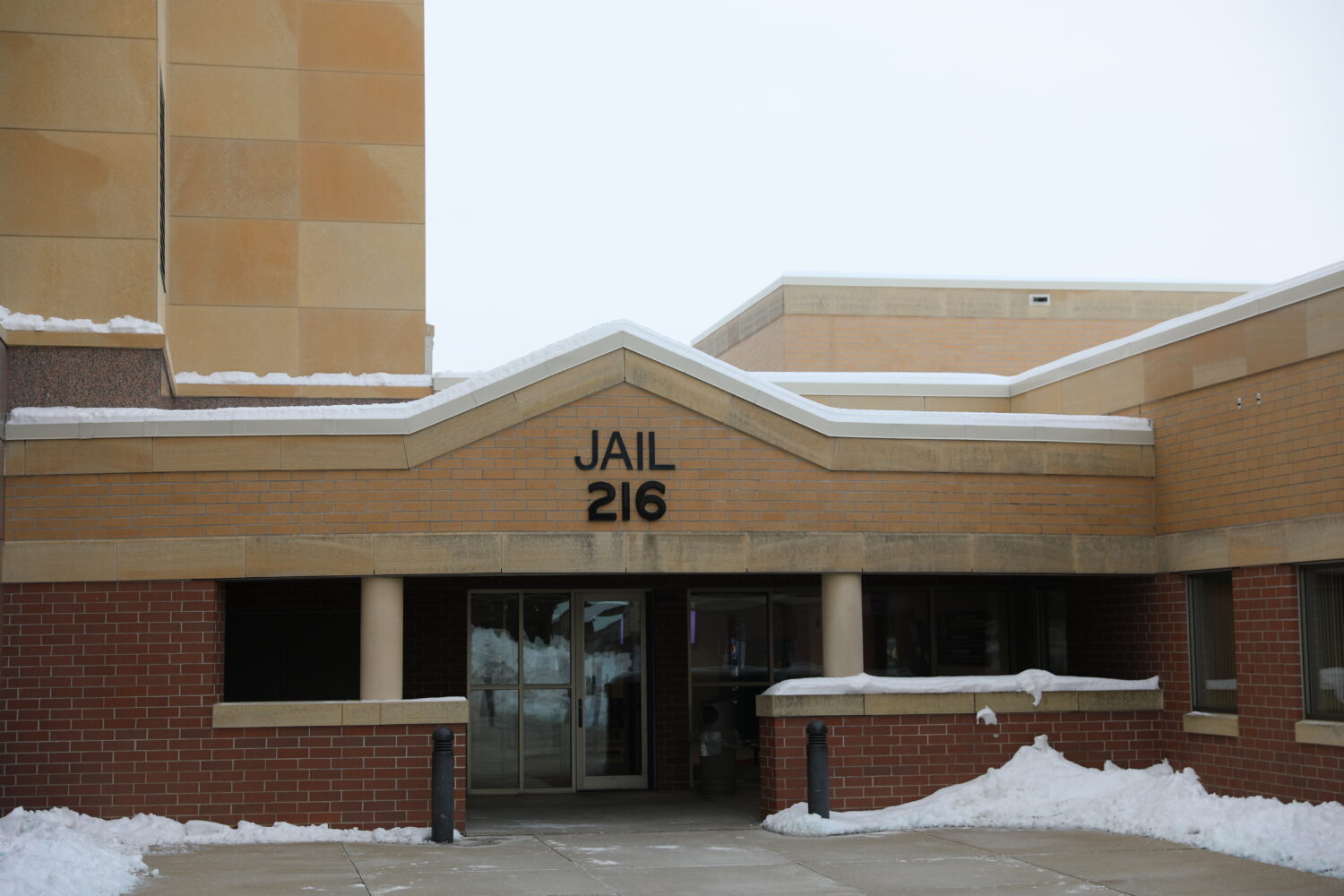
The additional funding has enabled ICE to contract with a growing number of Wisconsin sheriffs’ offices to secure beds in county jails for its detainees.
The Dodge County jail in Juneau, for instance, held an average of more than 100 ICE detainees per day in September – the most recent complete month of detention data.
Other county sheriffs have supported ICE enforcement efforts by honoring agency detainer requests by holding inmates suspected of immigration violations past their scheduled release dates, buying time for ICE agents to take them into custody. The Wisconsin Supreme Court this month agreed to hear a lawsuit challenging the legality of such practices.
While Trump’s border czar, Tom Homan, has claimed the administration is prioritizing “the worst first” for deportation, just over 40% of immigrants arrested by ICE nationwide between January and mid-October had prior criminal convictions, and nearly a third had no prior criminal history or pending charges.
In Wisconsin, however, nearly 60% of immigrants arrested by ICE during that period had at least one prior criminal conviction, while less than 20% had no prior criminal history or pending charges.
Most immigrants with prior convictions or pending charges arrested by ICE in Wisconsin this year have been deported. Roughly half of arrested immigrants with no criminal record — such as Benitez — have not.
But even the quicker deportations of immigrants facing pending criminal charges pose challenges. When defendants land in ICE custody, their criminal cases generally go on without them, often with no explanation of their absence.
The immigration crackdown has left Wisconsin courts with loose ends: missing defendants, victims without a chance to testify and thousands of dollars in forfeited bail. For some defendants facing serious prison time, Dane County District Attorney Ismael Ozanne argued that deportation can serve as a “get-out-of-jail-free card.”
Asylum seekers face legal whiplash
Immigrants with no criminal history have often landed in drawn-out legal proceedings complicated by sudden rule changes.
Reversing decades of precedent, DHS announced in July that most immigrants in ICE custody would be ineligible for bond and instead subject to “mandatory detention.” Benitez, whose arrest nearly coincided with the rollout of the policy, was among the detainees unable to leave custody as a result.
Asylum seekers have faced particularly intense policy whiplash. Among other changes, the U.S. Department of Justice’s Board of Immigration Appeals opened the door in October for immigration courts to more easily toss out asylum cases and instead deport applicants not to their home countries, but to “third countries,” primarily in Latin America and Africa.
The volume of cases before federal immigration courts — faced with a backlog that has declined only slightly from a peak of 3.7 million cases in 2024 — and the pace of rule changes have led to inconsistent prosecutions.
In November, DHS prosecutors moved to deport the Nicaraguan asylum seeker arrested in Manitowoc to Honduras. His attorney said he ultimately chose to return to Nicaragua, where he risks retaliation for his involvement in protests against authoritarian President Daniel Ortega, to avoid landing in Honduras, where he spent only a few days on his trek north to the U.S.
But DHS did not suggest third-country deportation when a fellow ICE detainee in Dodge County appeared in court just over a week later.
Diego Ugarte-Arenas, a 31-year-old asylum seeker from Venezuela, was arrested alongside his wife during a routine check-in at a DHS office in Milwaukee in late October. An immigration court judge in Chicago granted the couple asylum last week, though Ugarte-Arenas will remain in ICE custody while DHS appeals the judge’s ruling. Meanwhile, his wife, Dailin Pacheco-Acosta, just returned to Madison, where the couple has lived since 2021. Pacheco-Acosta spent the past two months in an ICE detention facility in Kentucky, but a federal judge approved her release earlier this month.
“When you move this quickly and have this volume of cases, not every case gets treated the same,” said Ben Crouse, an attorney representing the Venezuelan couple. The inconsistency, Crouse added, reflects the “crazy arbitrariness of the system.”
Arrest brings opportunity
The peculiarities of federal immigration law turned Benitez’s arrest into an opportunity to secure permanent residency. She had few pathways to legal status as an undocumented immigrant, her attorney Marc Christopher said, but her placement in deportation proceedings brought her before a judge who could cancel her removal and issue her a green card.
Judge Richard Drucker of the immigration court in Cleveland signaled his intent to do just that on Nov. 6, citing the hardships Benitez’s absence would impose on her U.S.-born children.
But the long-delayed background check stood in the way.
DHS notified the court on Wednesday that it was finally complete, setting the stage for what may be Benitez’s last hearing by the end of this week.
The agency did not respond to Wisconsin Watch’s questions about whether staffing shortages were delaying background checks systemwide.
Aguilar says the step forward in her mother’s case does not resolve the systemic problems that have kept her jailed.
“The disorganization surrounding my mom’s detention underscores a broader failure,” she wrote to Wisconsin Watch. “When families cannot get basic information or timelines, it reflects a system that has lost its ability to function responsibly.”
This article first appeared on Wisconsin Watch and is republished here under a Creative Commons Attribution-NoDerivatives 4.0 International License.