“What does it feel like to be the only one in the room and expected to speak for everyone who looks like you?”
For many Black women in higher education and social work, this question is not rhetorical, it’s lived. It shows up in classrooms, committees, Zoom calls, and hallway conversations that feel more like landmines than moments of connection. The burden of representation is real. And it’s heavy.
To be clear, representation matters. But it cannot be the only goal, especially when it lacks care, support, or shared power. Black women are often expected to carry the work of racial equity on our backs while navigating institutions that were never designed with us in mind.
The “burden of representation” refers to the expectation that one person from a marginalized identity should represent an entire group. For Black women, that means performing double duty: excelling in our roles while being used as the face of diversity. We are tapped to serve on every DEI committee, mentor every student of color, and bring the “equity lens”, often without recognition, support, or resources.
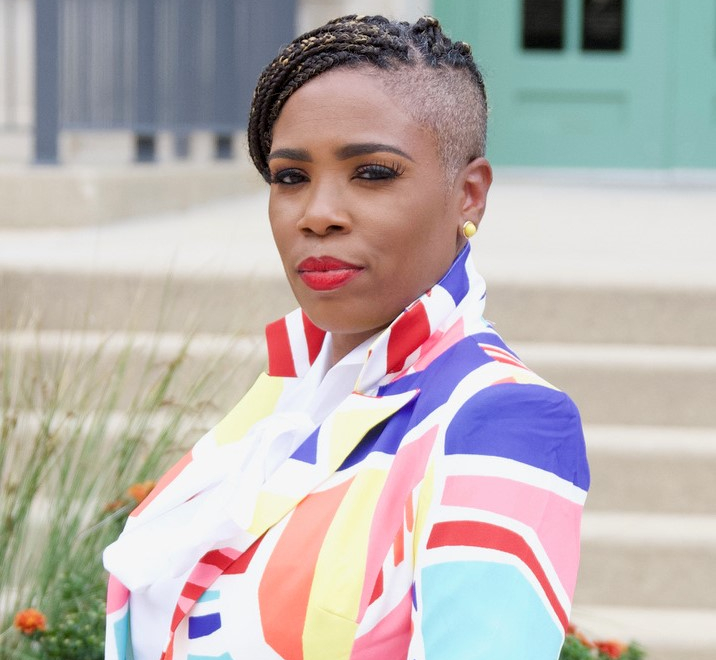
As a Black woman and social work educator, I’ve watched students and colleagues move through predominantly white spaces, navigating isolation, code-switching, and hypervisibility. Add to that the “performance of wellness”, smiling through exhaustion, attending back-to-back meetings, and carrying the emotional labor of our students and institutions.
The research reflects this reality. How Racial Battle Fatigue Impacts Black Women Graduate Students (Journal of Negro Education, 2025) outlines how prolonged exposure to racial stressors contributes to psychological distress and a fractured sense of belonging. Unequal Burden (IWPR, 2024) highlights the licensure barriers, financial strain, and emotional burnout Black women social workers face, compounded by racialized and gendered expectations.
And yet, institutions too often respond with symbolic gestures: another committee, another campaign, another photo on the diversity webpage. Meanwhile, Black women remain under-supported, under-valued, and overextended.
Let’s call it what it is: racial battle fatigue. It’s the exhaustion that comes from constantly having to translate, justify, and prove your worth in spaces that say they value you but rarely protect or promote you.
I carry this burden, but I also carry the legacy of those who’ve come before me. My mother was the first Black court reporter in the Dane County Circuit Court System. Being the first is a title often met with celebration, but the emotional weight it carries is rarely acknowledged. It means being exceptional just to be accepted, and even then, still being questioned.
Her story lives in me and fuels my own. So do the stories of my Black daughter, my baby sister, my sorors, and my sisterfriends who move through white-dominant workspaces with strength and grace, all while enduring bias, exclusion, and daily resistance. Their experiences remind me why this work isn’t just personal, it’s urgent.
We don’t need more symbolism. We need systems. Systems that prioritize equitable hiring and retention, that offer real mentorship, that invest in affinity spaces and mental health resources, and that acknowledge the invisible labor Black women perform every day.
As Inside Higher Ed warned in 2023, safeguarding Black women educators’ mental health requires more than resilience, it requires institutional responsibility. And as Advancing Racial Equity in Public Libraries (Sonnie, 2017) reminds us, equity must be operationalized. It requires structure. It requires accountability. It requires change.
Representation without care is not equity. Recognition without resources is not support. And visibility without voice is not justice.
We carry this burden because we care, about our students, our work, and our communities. But caring should not come at the cost of our peace. Black women have led with brilliance and resilience, but we shouldn’t have to carry this burden alone.
So as we continue to teach, lead, build, and serve, may our presence no longer be treated as exceptional, but expected. May our truths be heard without defensiveness. And may the next generation of Black women walk into rooms we had to fight to stay in, without the weight we were forced to bear.