When a 911 dispatcher answers a call, traditionally the request for resources goes to the Police Department or the Fire Department.
With their Community Alternative Response Emergency Services (CARES) team, the Madison Fire Department (MFD) takes a different approach, according to Assistant Fire Chief Chris Hammes.
Since 2021, MFD, Journey Mental Health and Public Health Madison and Dane County have collaborated on CARES. Since then, CARES has served as an alternative to police to respond to emergency and crisis calls for individuals experiencing “behavioral emergencies that are nonviolent in nature.”
CARES allows for a third resource for people in crisis, because many people who call 911 will not benefit from the emergency room or jail, said Hammes. It is important to give that individual the care that best suits their circumstances. Individuals in need may access CARES through a crisis line or through 911 calls.
Over the past five years, MFD CARES has responded to over 14,000 calls and 8,500 individuals, including some repeat patients and some who refuse help.
Of the more than 8,500 individuals that CARES has helped, 60% had their crisis mitigated, with 25% transported to a second location – a detox home, a shelter, a hospital – and only 2% have been incarcerated.
“There’s a lot of other alternatives that we have in our community that CARES is really plugged into, and can align individuals up with those resources,” said Hammes.
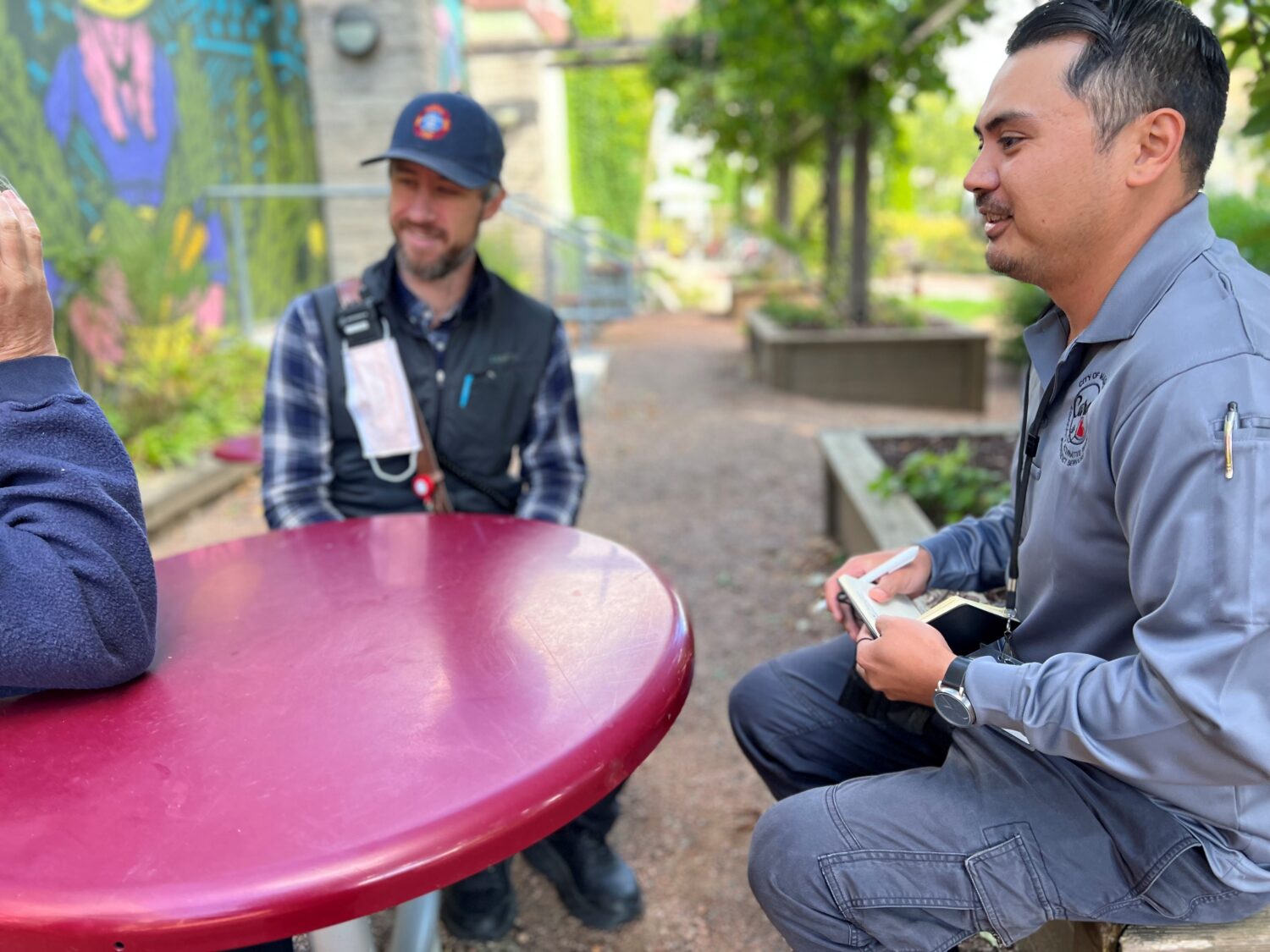
Each CARES team consists of a community paramedic and a crisis worker. Paramedic expertise allows for the team to best assess the safety of the patient and call for an ambulance if necessary. The crisis worker creates a care plan that gives individuals access to a variety of resources.
CARES gives their patients access to case management, behavioral health services,, housing and shelter services, care center, groups homes, rehab resources, ageing and disability resource centers and more, said Hammes.
“Some individuals that are having these emergencies, they sometimes recognize some of these same CARES team members that arrived,” he said. “That, inherently in itself, maybe brings down that level of anxiety; it just helps deescalate things with a little bit of familiarity. If someone has helped you out in the past, they might be able to help you out in this situation again, right?”
Knowing patients not only helps the situation but the overall care plan, said Hammes. The team can follow up on prior plans, asking if they have worked on what the team suggested, and see if there is another component of life they are struggling with, said Hammes.
Community paramedic is about “having the awareness of what they should be looking for with injury prevention.” It is taking the time to help implement even small changes that could help a living situation, according to Hammes.
When not responding to calls, the CARES team works on referrals that help implement these small changes, said Hammes. Maybe it’s a handrail down a set of stairs an individual has repeatedly fallen on or a pill organizer for a patient who frequently forgets to take their medication, said Hammes.
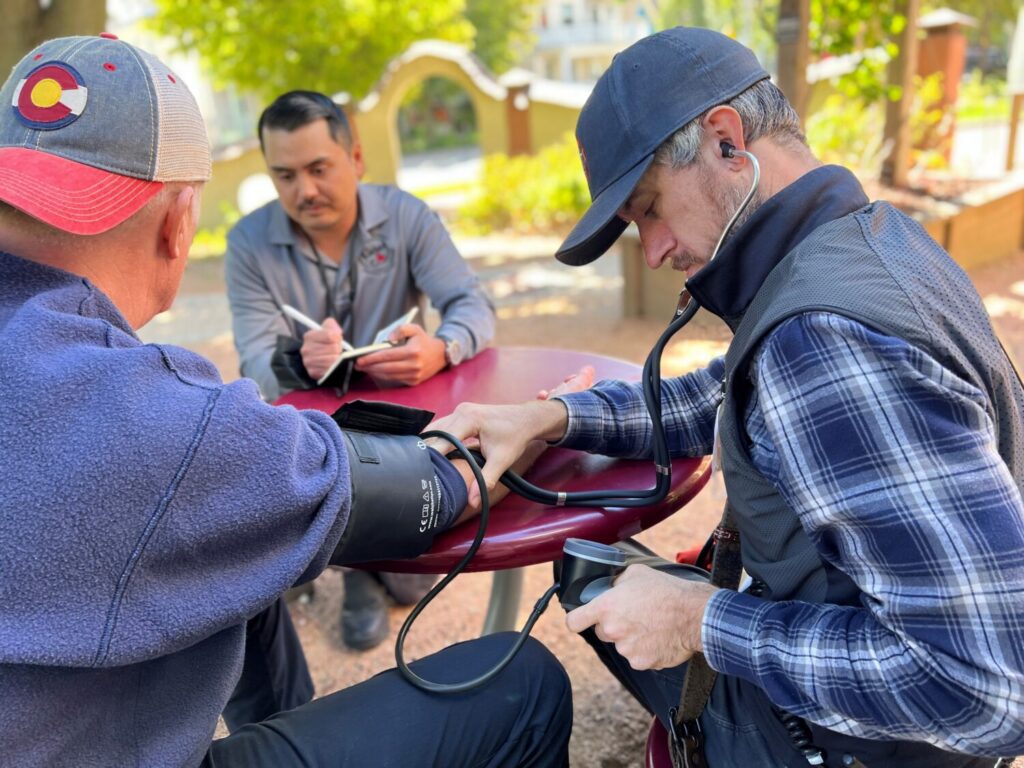
“Once it’s identified that someone out there is struggling with some component of living in the environment that they’re in. If there’s something we can do to tweak that, that’s what our community paramedics get to and and really try to center on,” said Hammes “So we can prevent a bad thing from happening, prevent that next fall which might cause a hip fracture or a head injury that really then puts them in a debilitative state.”
This mitigation from emergency rooms and jails not only relieves strain there but also strain on EMS in general, said Hammes.
“But most importantly, it’s a win for that patient who best benefits from the resources that these care teams can plug them into. That’s going to help them through their event that they’re through. Such a phenomenally successful program that we’re really proud of.”
As trust and need expand, CARES responds to more and more calls, said Hammes. In 2024 they expanded to three full-time teams. In 2025, a pilot program was deployed in Sun Prairie.
“If we get a continued increase of call requests and calls, it’s going to be our challenge to try to meet the need for that demand of service there,” said Hammes.
More information is available on the CARES Data Dashboard.