This year marked the 61st anniversary of the Voting Rights Act of 1965, one of the most consequential civil rights laws in American history that created equitable access to the ballot box. As a Black and Indigenous woman, I cannot reflect on this milestone without thinking about those who fought to ensure that all people could participate in our democracy. Their fight was about more than the right to cast a ballot. It was about ensuring every person had a voice in shaping their community and securing our rights as American citizens.
The Voting Rights Act outlawed racial discrimination in voting and established federal oversight to prevent voter suppression. Later amendments expanded protections for language minority communities in Section 203. Together, these protections opened the door to the polls for millions of Americans whose voices had long been deliberately excluded.
Sixty-one years ago is not distant history. Some remember when registering to vote meant facing intimidation or worse. I think about those who peacefully marched from Selma to Montgomery and were met with state-sanctioned violence, organizers who registered voters despite threats to their lives, and Native communities who fought and still fight to protect their voices, representation, and sovereignty.
For me, voting is a responsibility we inherit from those who refused to be silenced, a sacred civic duty. I vividly remember the excitement I felt when I turned 18 and could finally vote for the first time. Now, I bring my children with me every time I vote, to help instill the importance of making your voice heard. The courage of so many activists who came before me helped make my participation possible and their vision demanded that our Constitution applies to everyone.
That legacy matters as Wisconsin voters consider Question 3 on the November 3 ballot. The proposed constitutional amendment, titled “Governmental Entity Discrimination Prohibited,” would prohibit government entities from discriminating against or granting preferential treatment to individuals based on race, sex, color, ethnicity, or national origin in areas including public employment, education, and contracting.
At first glance, the language may sound like a straightforward promise of fairness. However, it’s important to note that discrimination is already illegal in state and federal law. As demonstrated by the hard fought battle to pass the VRA and for many other reasons, we know that discrimination is wrong. So it is imperative that we look beyond the misleading language and consider what this amendment could actually mean for Wisconsin communities.
We have to acknowledge the difference between equality and equity. Equality means treating everyone the same, while equity recognizes that people face different barriers and that addressing those barriers is necessary to create fair opportunities. Programs designed to expand educational access, address health disparities, and create opportunities in public employment and contracting can help people overcome obstacles that have persisted throughout our country’s history.
We must confront the truth that discrimination was once legal, which institutionalized the disenfranchisement of generations of people. That history is why equity-focused programs are necessary today. These programs are needed to ensure people have a genuine opportunity to participate, contribute, and thrive. Limiting the tools public institutions have to address disparities will, in effect, undo years of progress made since the Civil Rights Movement.
Constitutional amendments carry consequences that become permanent. Unlike ordinary legislation, a constitutional provision cannot simply be changed by passing a new law. If approved, Question 3 would become part of Wisconsin’s Constitution, and changing it would require another constitutional amendment approved by voters.
I urge Wisconsin voters to vote no on Question 3. We should not risk limiting the tools our public institutions have to address longstanding disparities without fully understanding the ramifications. Underserved and vulnerable communities will inevitably endure the most negative impacts if this amendment is passed.
The people who came before us challenged a nation that denied Black, Indigenous, Latino, and countless others the rights and opportunities they deserved. They fought to make “We the People” mean all people, not just a privileged few. Now it is our turn to carry that work forward. We honor their sacrifices by protecting the progress they fought for and building a democracy that is stronger, more inclusive, and more representative.
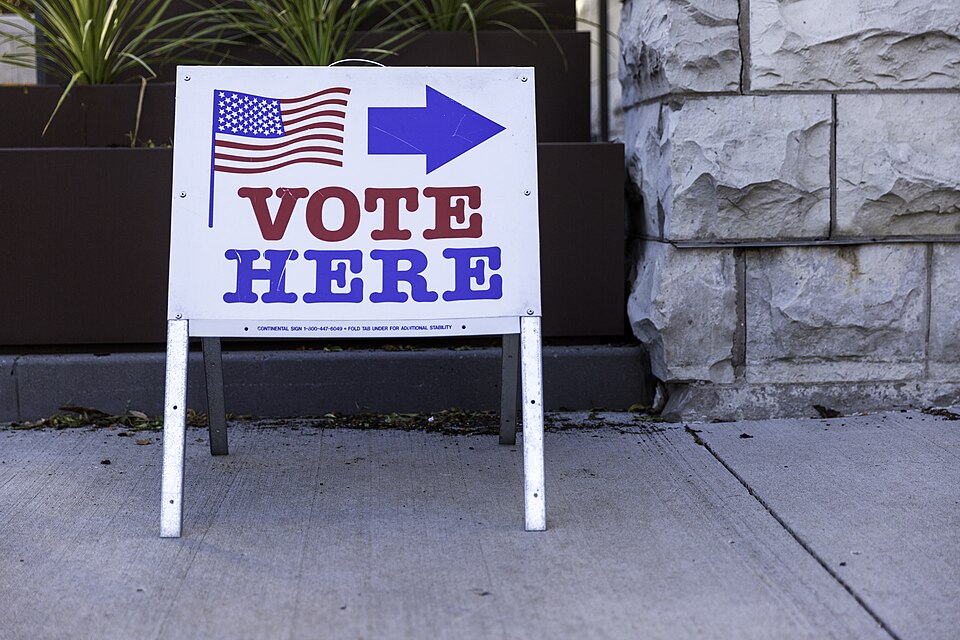
Our collective voices create meaningful change. Make a plan to vote on November 3, and vote NO on Question 3.
Sinceree Dixon is communications manager for the League of Women Voters of Wisconsin.