
Editor’s note: This story discusses suicide. If you or someone you know may be experiencing a mental health crisis, contact the 988 Suicide & Crisis Lifeline by dialing “988.”
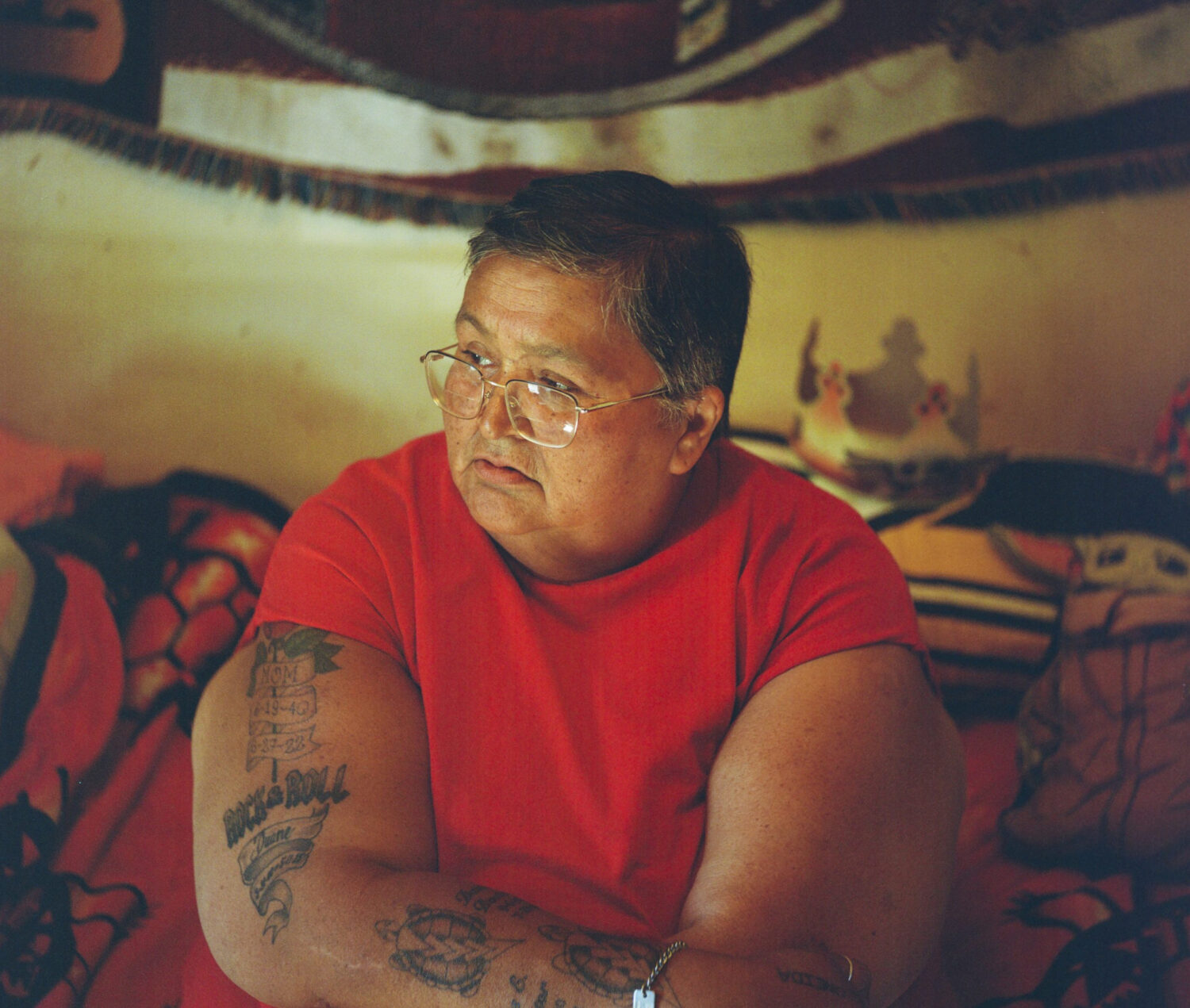
Laurie Doxtator hasn’t been sleeping well lately.
That’s been the case since she moved out of Amanda’s House last fall.
She spent nearly three years working toward her sobriety at the long-term, sober living home for women and their children in Green Bay. She also became a leader — helping housemates navigate the communal quarters and feel supported. She was three years sober from alcohol, eight years sober from heroin and free of all other drugs when she left.
But Doxtator has hit bumps along her sobriety journey since moving in with her older brother, less than seven miles away on the Oneida Reservation, where she’s an enrolled Oneida Nation member.
While still avoiding heroin and alcohol, she recently began smoking marijuana again — about once a day to ease her grief. That’s typical with recovery. Progress rarely moves in a straight line.
As Wisconsin Watch reported last year while chronicling her move out from Amanda’s House, grief has remained an undercurrent for Doxtator, who has endured losing a range of family members.
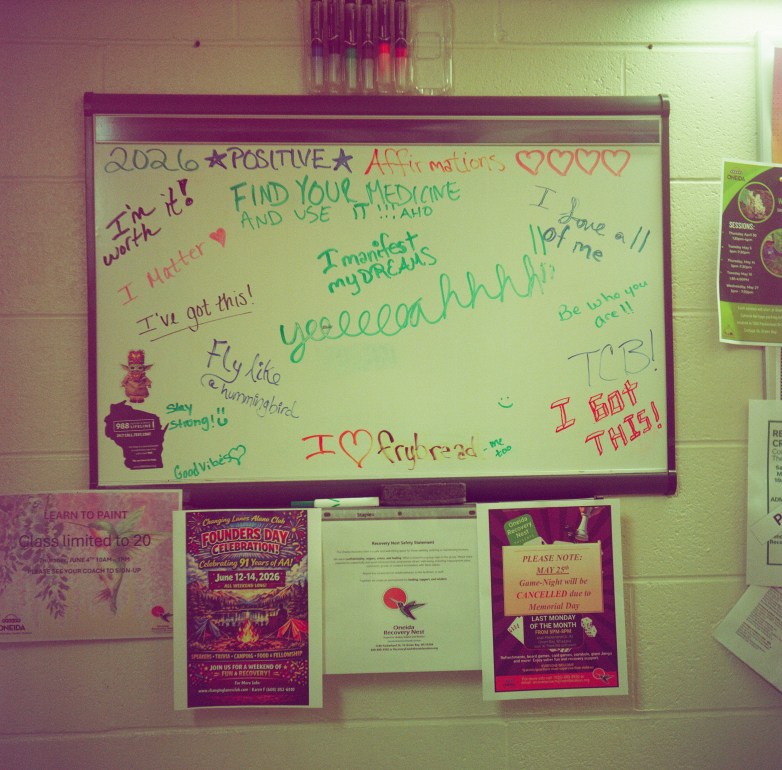
But joy and fulfillment have been there, too — including at Amanda’s House, where she learned to cope through a daily routine marked by affirmations.
She knew leaving wouldn’t be easy. Establishing new routines would take time. Moving in with her brother meant returning to where she previously used substances and was surrounded by negative influences.
“I wish I could just go and hide,” Doxtator said.
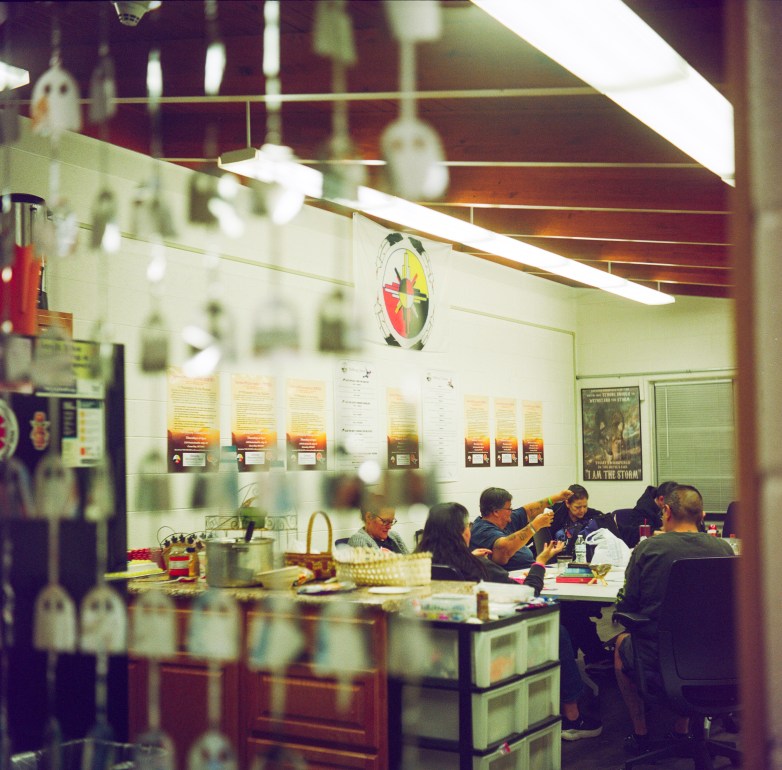
But she now has tools to cope and move forward, and she has support from outside of Amanda’s House. That includes visits to the Recovery Nest, part of the Oneida Comprehensive Health Division, which offers holistic healing and growth for those seeking recovery. It’s a place to process her emotions and connect with coaches who can relate.
“I had a slipup in my journey but it happens, it happens no matter what,” she said. “I’ll get back on track.

‘Deep down I hurt’
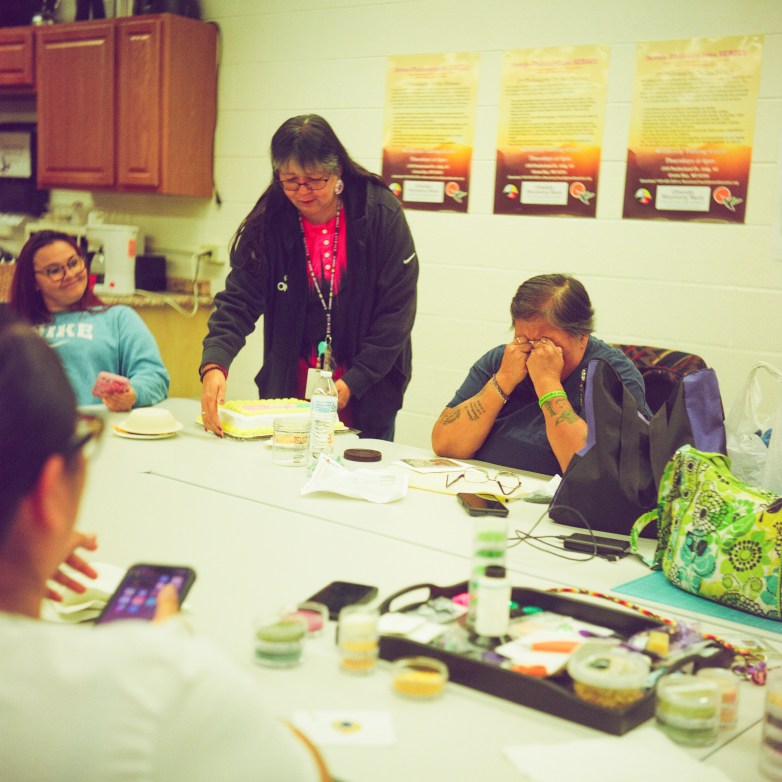
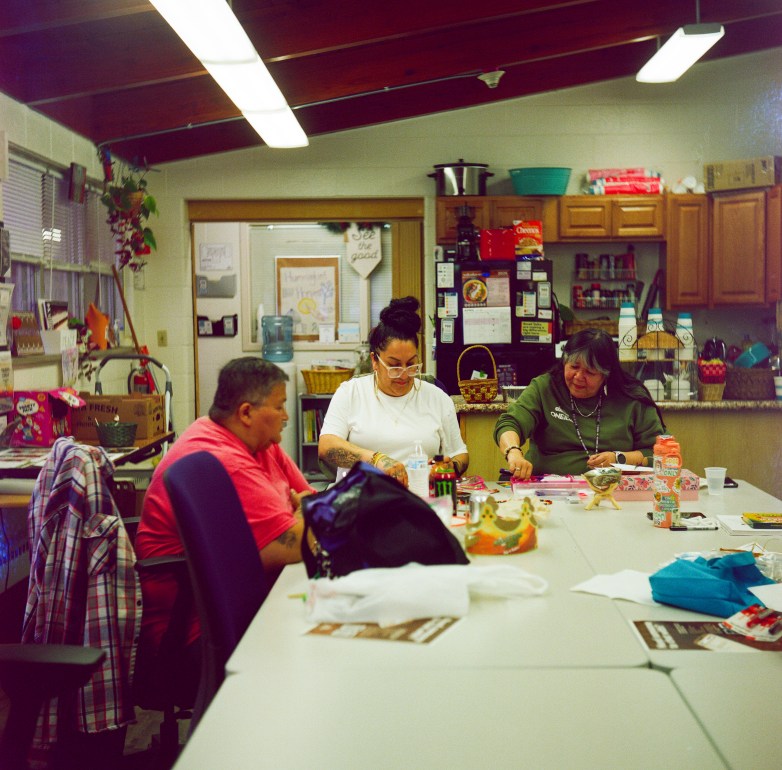
While crafting a turtle medicine wheel at a Recovery Nest event in May, Doxtator left the room in tears. The pit-pattering of rain against the window had stopped as the dark blue-and-gray sky outside gave way to sunshine.
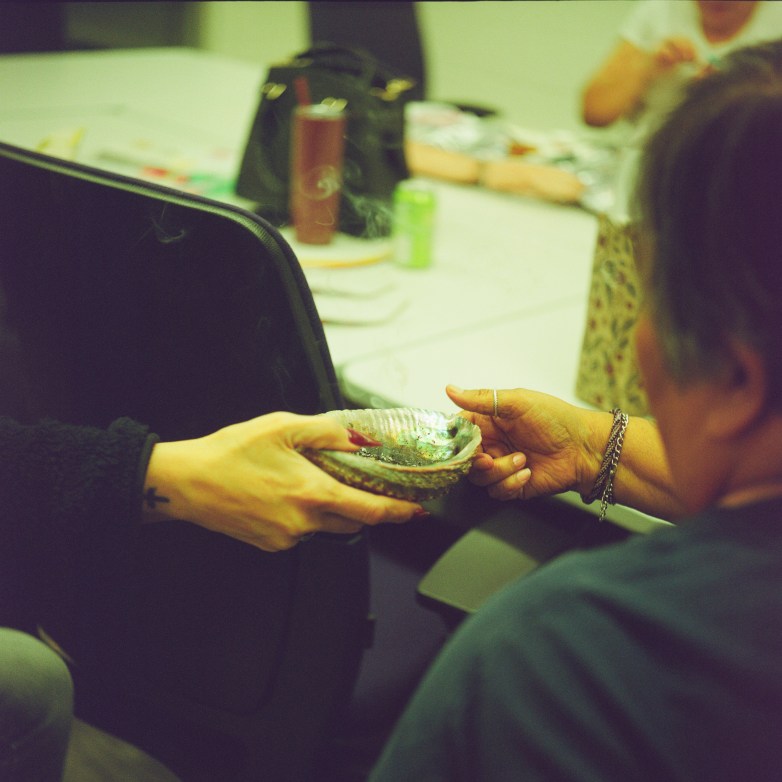
Doxtator sat at a table surrounded by her fellow recoverees, including coaches Stephanie Skenandore and Kristy Bedolla. A volunteer prepared “Indian tacos” featuring made-from-scratch fry bread. As part of a cleansing routine, the recoverees passed around a shell with burned sage, a process called smudging that’s intended to rid evil and negativity from the room. The women teased each other like family.
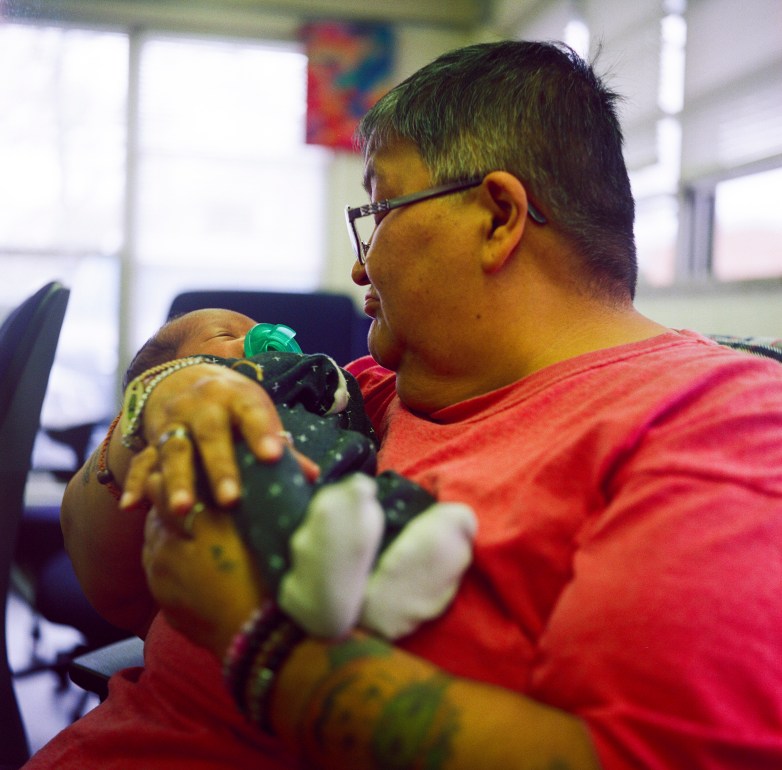
“I laugh and giggle but deep down I hurt,” Doxtator said.
Doxtator had just learned of another family member’s death. This time, a cousin. That’s why she attended that evening’s Recovery Nest gathering. She recognizes that trauma and grief can spiral into old habits if not addressed. A day earlier was the one-year anniversary of her brother Earl’s death.
“I better get over here before my mind starts wandering,” Doxtator recalled telling herself that morning.
She planned to attend her cousin’s funeral that evening. It would be a traditional Oneida Nation arrangement, similar to ceremonies for Earl and the two children she lost.
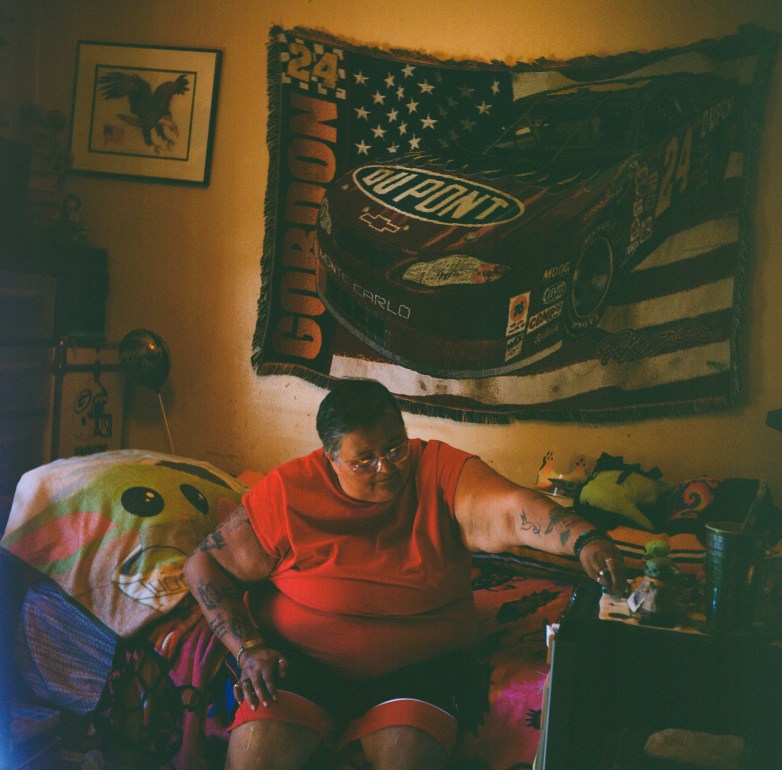
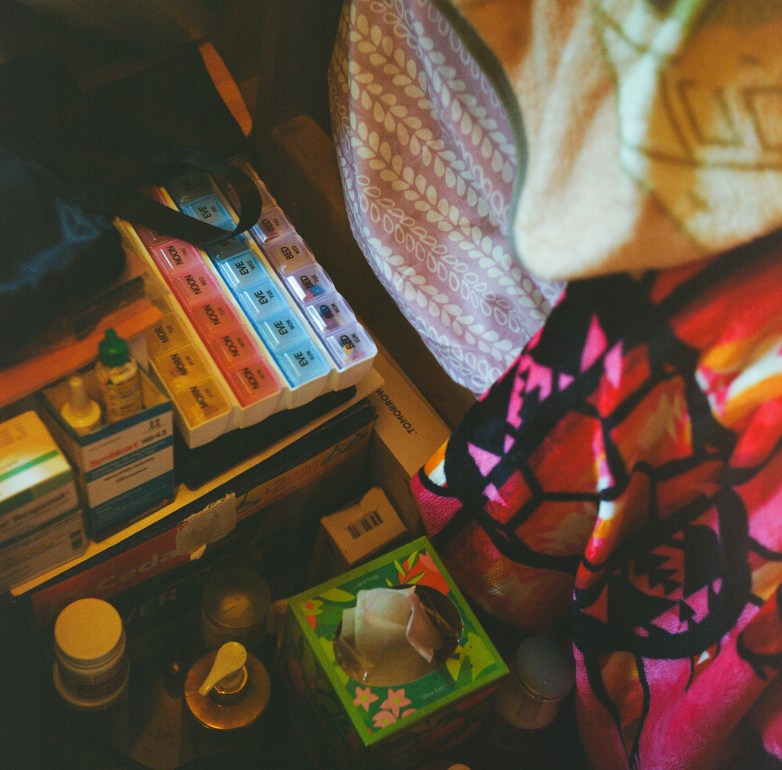
As Doxtator’s 62nd birthday approached, she stared down a maze of dates marking the deaths of loved ones. Spring and summer are particularly hard each year, Doxtator said. She lost her mother and a son in those seasons, too.
Paula Jolly, who co-founded the Mandolin Foundation with her daughter and later opened Amanda’s House after her daughter’s overdose death, understands the difficulties of grief and loss — especially as she helps people facing the same hardships her daughter faced. She jokingly warns people not to interrupt her when she’s cleaning her office — it’s how she copes with frustration.
Jolly has never struggled with addiction herself, but she regularly attends 12-step meetings. She just finished two years of therapy after realizing that the characteristics of alcoholism and family dysfunction she experienced growing up had carried into her own life.
“Everyone’s like, ‘oh my gosh, I can’t believe you’ve been through all that and you keep moving,’” Jolly said. “I don’t have any choice. This is what I was put here for. I just do the best I can. Some days are messy, that’s just the way it is.”
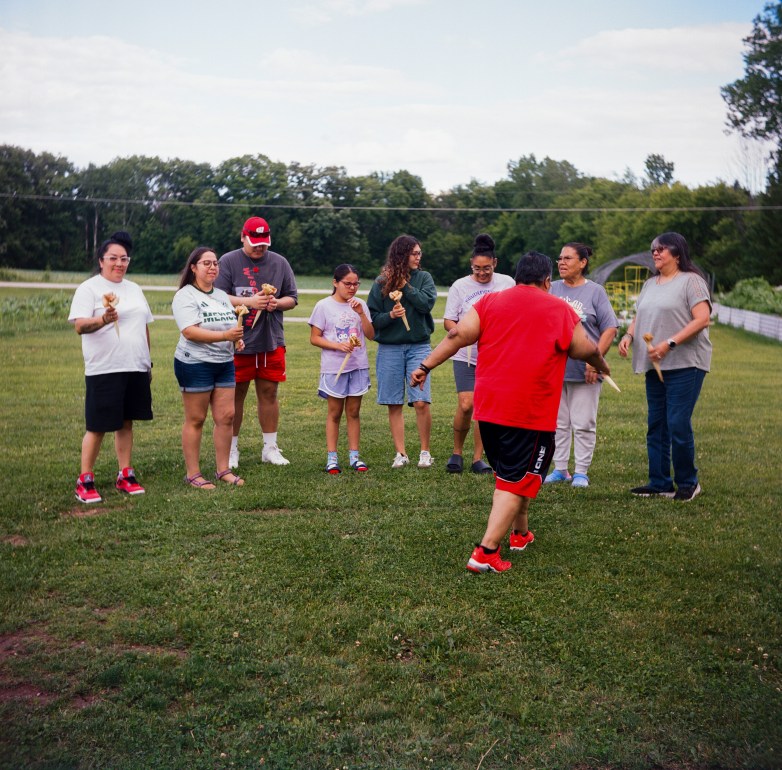
A familiar face on the road
Challenges like Doxtator’s prompted Recovery Nest to start in the first place.
The need for a safe place to connect with others in recovery while leaving toxic influences behind illustrates why Recovery Nest still matters, Skenandore said. Drawing on her own experience with addiction and recovery, Skenandore understands what it takes to stay sober and how easy it is to return to substance use patterns.
Skenandore and Doxtator share more than a commitment to recovery. They’re also cousins who have known each other since childhood, even bowling together in a league at Red Carpet Lanes in Green Bay.
“I get to tell some of my cousins, they can’t get rid of me no matter what because they’re a cousin on both sides,” Skenandore said, laughing.
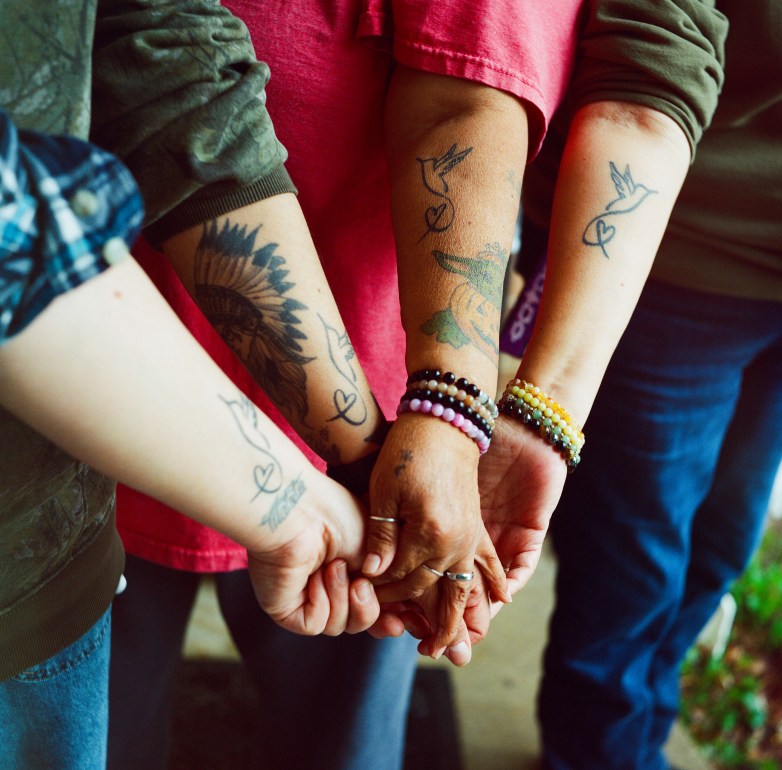
In her Recovery Nest role, Skenandore wants to make sure Doxtator and her peers know they have supporters who back them no matter what.
“We’re not a treatment, we’re just here to walk with them and be that extra support for them.”
When working with Native peers, Skenandore builds on her understanding of the intergenerational trauma many tribal communities have experienced. Growing up, she thought the drinking in her family — and learning to open a beer can at an early age — was normal. Skenandore said she doesn’t remember what initially prompted her to seek treatment.
“When I went, I went drunk, and I don’t remember the ride,” she said.
“I never realized until after I became sober… that it really dawned on me how much trauma there is,” Skenandore said. “We haven’t been able to change it. It’s slowly changing, it’s not a quick change.”
Even if it’s difficult to break cycles of intergenerational trauma in their communities, Skenandore and Bedolla see promising signs for the future as a culture of recovery and sobriety emerges in their children’s generation.
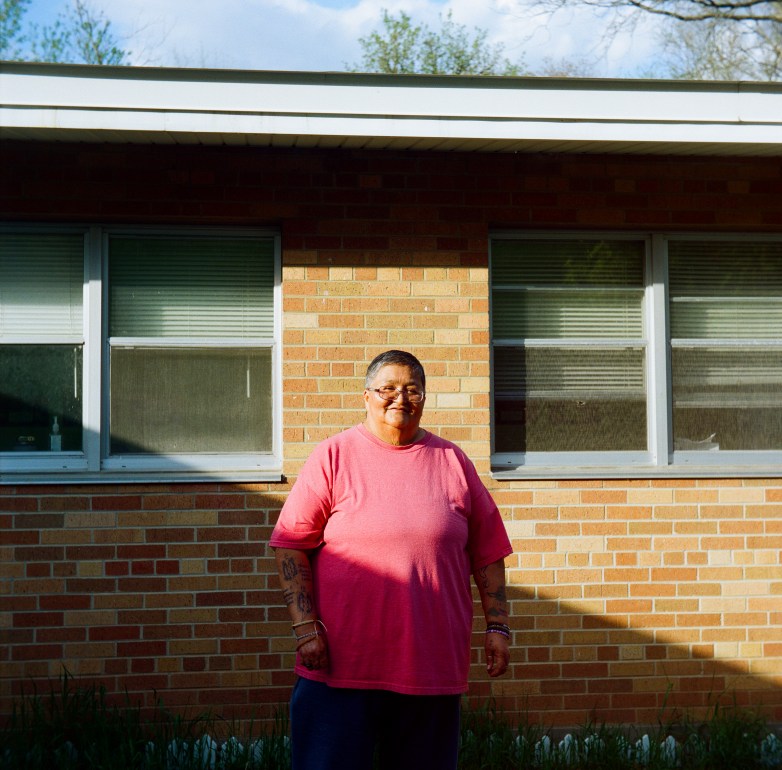
A new look for a new chapter
Doxtator’s hair is now even shorter than before. After moving out of Amanda’s House last year, she chose a new style to mark a fresh start.
She previously taught a grief class at Recovery Nest and knows that participating in the program helps manage her recovery. She hasn’t regularly attended recently, but she’s planning to change that.
“They miss me,” Doxtator said. Her coaches hope she will eventually lead the classes again, where she once led candlelight conversations.
Living with her brother gives her more freedom than Amanda’s House did, with its rules and structure. But she’s not sure she was ready for it.
Doxtator said she regrets restarting smoking, but she’s determined to break the habit again. “It’s up to me … I will get through this.”

Editor’s note: After being interviewed for this story, Doxtator and Jolly participated in a Wisconsin Watch Public Square community event, where they reflected on what it was like to share their stories. Read more here.
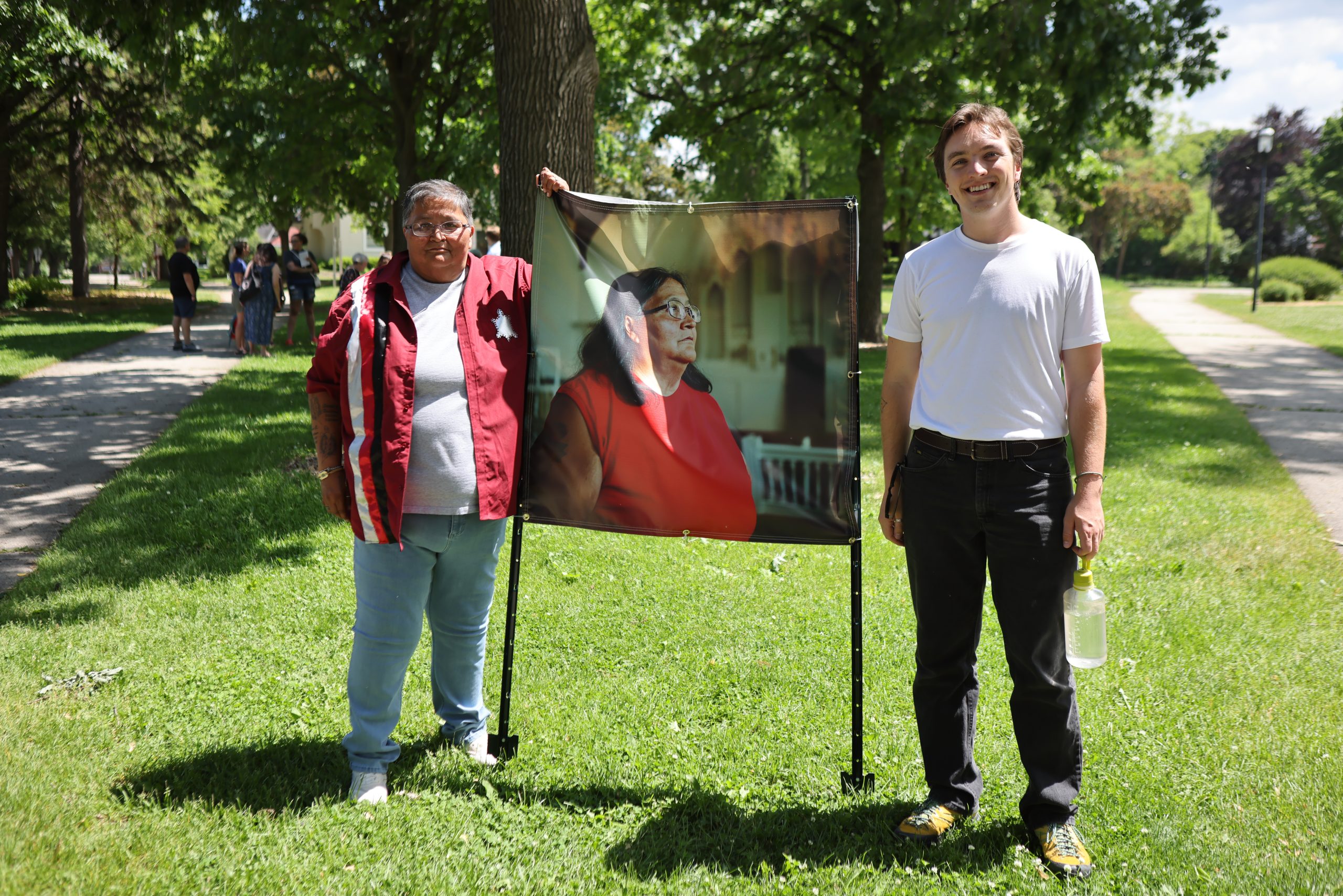
This story is part of Public Square, an occasional photography series highlighting how Wisconsin residents connect with their communities.
This article first appeared on Wisconsin Watch and is republished here under a Creative Commons Attribution-NoDerivatives 4.0 International License.