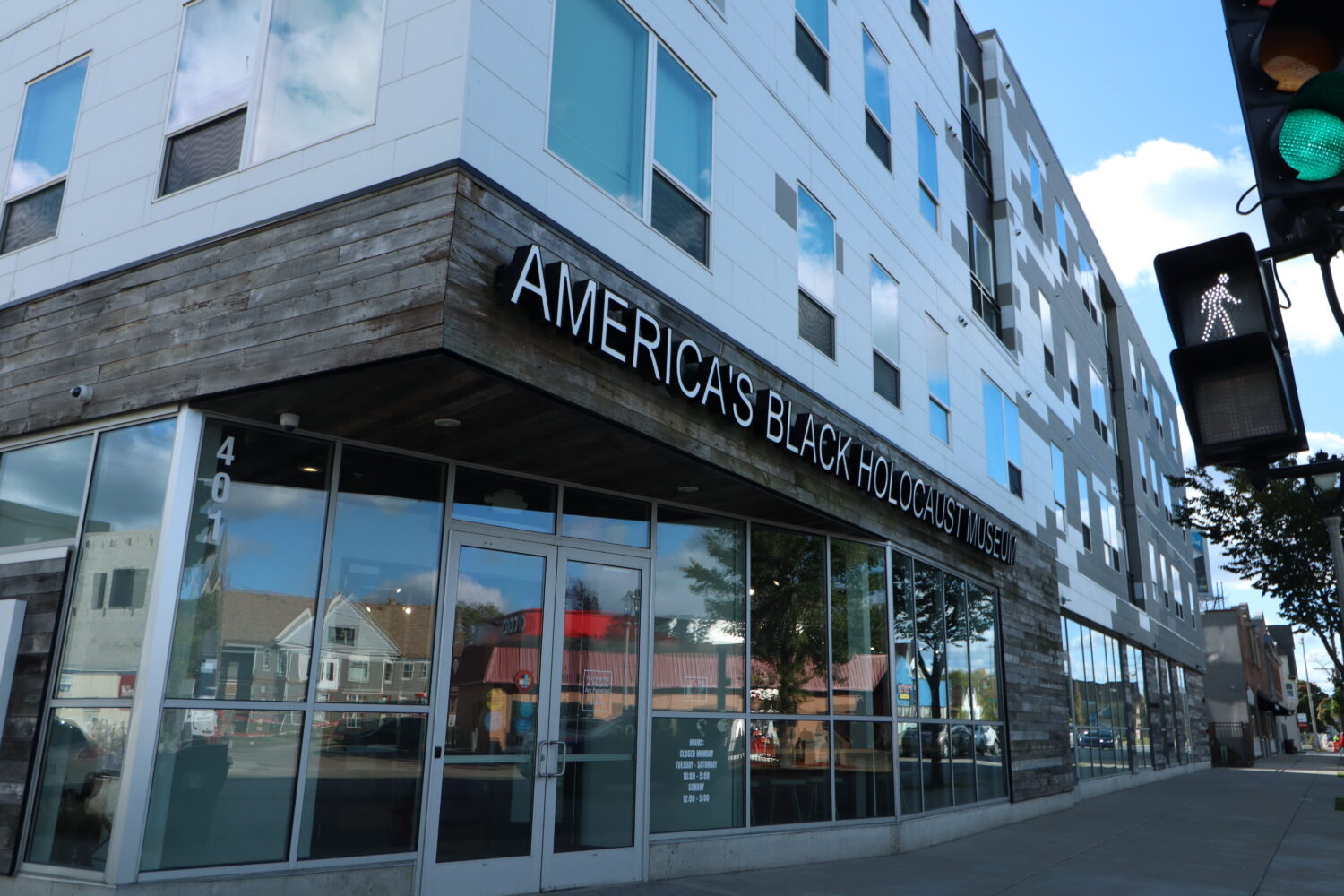
A joint exhibit from the Wisconsin Black Historical Society and Black Holocaust Museum in Milwaukee will explore the history of racist memorabilia throughout the United States.
Opening this month, “An American Inheritance: The Story of Racist Memorabilia in Wisconsin and the United States” features a collection of items gathered and donated to the two museums over the years. The exhibit highlights the widespread and readily available everyday objects that were once found in American homes, including flyers, song lyrics, tobacco products, salt and pepper shakers, dolls and more.
“Over the years, we’ve been collecting stuff. We’re a historical society, we’re an archival museum, which means, of course, we have all these exhibits, but we also collect things and people bring stuff in,” said Jamila Benson, program director of the Wisconsin Black Historical Society. “One of the main things people bring in is Black memorabilia and Black Americana stuff because they don’t know what to do with it.”
Often when people are cleaning out garages or estate sales, some oddity that is frankly racially charged is found. They don’t really know what to do with it, but they do know they need to get rid of these relics of a more overtly racist past found in their home.
Some make it to the trash, some are sold online, but sometimes it’s donated to the Black Historical Society or Black Holocaust Museum.
“[They] don’t want to sell it at a rummage sale … so they call us, or leave it anonymously,” Benson said. “They don’t want to be known, but we get this stuff, and the [Black Holocaust Museum] has been experiencing the same thing.”
The two thought it would be sensible to make an exhibit from everything they’ve gathered throughout the years.
One of the major points Benson wants people to take away is just how widespread the goods were. These are not rare pieces — for its time at least. Items the two have received for the exhibit were extremely commonplace for the era. They give a window into the systematic way Black people have been treated and depicted, and how that has evolved today.
Items have come from all over Wisconsin and the country. There hasn’t been any particular type of household that items have come from, or city or state, Benson said. Items have been received from Milwaukee, Racine, Burlington, more liberal areas, more conservative areas, rural, urban — really every corner.
“It just became normal,” Benson said. “We’re not vilifying people. We’re not saying, ‘Hey, why do you have that?’ That’s not our question. Some of the questions are, ‘If you have it, what do you want to do with it? Do you want to donate it to use as educational materials? Do you want to destroy it?’ It shouldn’t be on sale. It shouldn’t be on display if you know what it means, unless that’s what you want it to be, but when people know what it means, they’re like, ‘Oh no.’”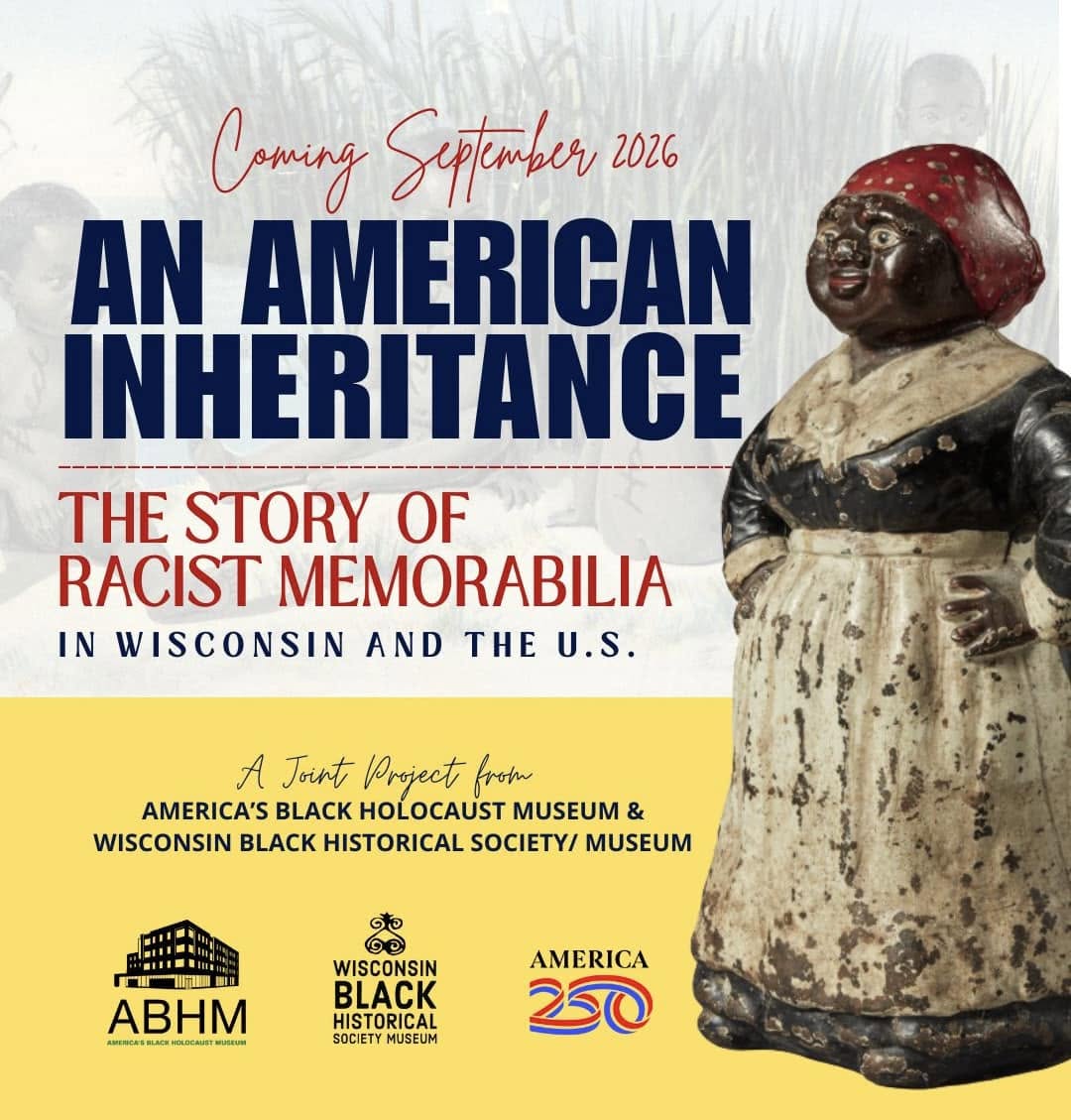
A few examples Benson gave were cookie jars with a big Black woman on it, a Milwaukee-produced tobacco called “N***** hair,” “watermelon man” salt shakers and the lyrics and flyer for a song performed at Milwaukee’s Alhambra Theatre called “Mammy’s Little Alligator Bait” about feeding Black children to alligators.
In random donations, the Black Historical Society also received lost manuscripts from Dr. James Cameron, historian, civil rights activist and founder of the Black Holocaust Museum. Of that collection, it held the record of the trial following the death of Earnest Lacy in 1981 and racial tensions between the community and police — which is yet to be fully processed by the Black Historical Society.
“This is before [the Black Holocaust Museum] took over and did their thing, but somebody didn’t value it or know that it was in there; somebody came in here with maybe 20-30 garbage bags. A man had found it, and he goes, “I got some stuff, and you might want this,” Benson said.
“An American Inheritance: The Story of Racist Memorabilia in Wisconsin and the United States” will kick off Sept. 16 at the Black Historical Society, 2620 W. Center St, Milwaukee. It will remain up through the end of the year where it will then be housed at the Black Holocaust Museum.