The UW Department of Family Medicine and Community Health (DFMCH) is honoring three individuals who highlight the department’s strong commitment to humanistic, patient‑centered care. Medical student Amelia Baltes and faculty members Dr. Jonathan Takahashi, MD, MPH, and Patricia Téllez‑Giron Salazar, MD, were recently inducted into the Gold Humanism Honor Society (GHHS). Téllez‑Giron Salazar also received the Leonard Tow Humanism in Medicine Award, recognizing her decades of service and leadership.
Inductees are selected by GHHS rising fourth-year medical students.
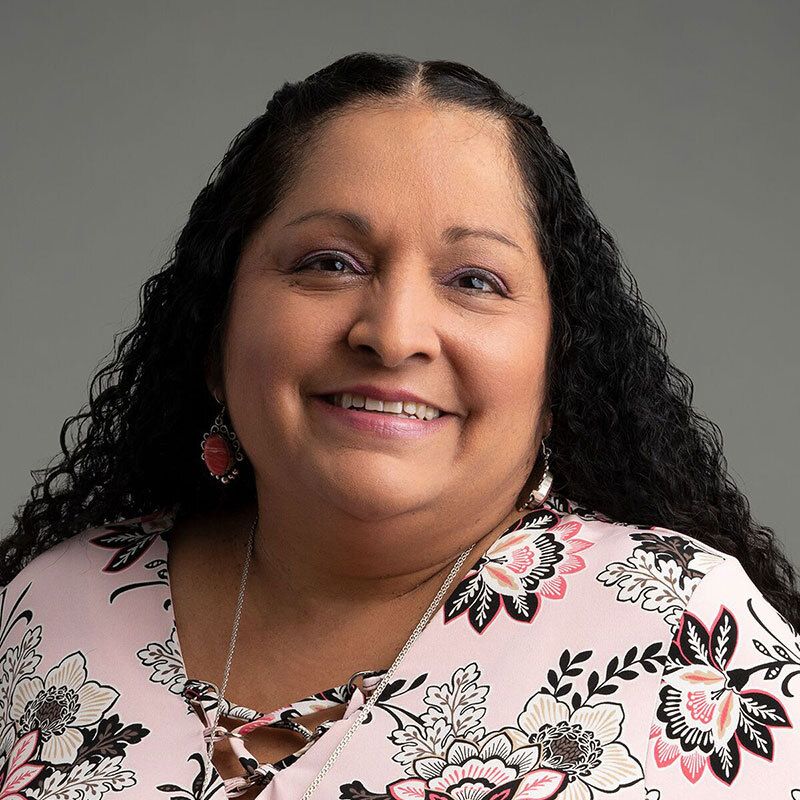
Téllez‑Giron Salazar has dedicated her career to serving Madison’s Latino/a community. Raised in Mexico City and trained at the National University of Mexico, she moved to the United States in 1993 and completed her family medicine residency at UW. Now an associate professor, she practices at the Wingra Clinic, where more than 90 percent of her patients speak only Spanish. “Being inducted into GHHS and receiving the Leonard Tow Award is a tribute to the mentors who guided me and the community that keeps me grounded,” Téllez‑Giron Salazar says in a press release. “These awards represent my commitment to not only providing compassionate care but also to mentoring the next generation and advocating for the health of the community we serve. It is a reminder that the best medicine is practiced with a servant’s heart.”

Dr. Jonathan Takahashi
Takahashi brings a global and integrative perspective to his work. After earning a chemistry degree from Carleton College, he spent a year teaching on the island of Kaben in the Marshall Islands, where he saw firsthand the effects of limited access to health care. The experience led him to pursue medicine and public health at Harvard, where he also evaluated a mind‑body health promotion program for older adults. His personal practice of yoga and meditation informs his interest in integrating mind‑body techniques with Western medicine to support patients with chronic illness and promote community well‑being.
After completing his family medicine residency at UW in 2015 and an academic integrative medicine fellowship, Takahashi has continued to champion holistic, preventive care. “I feel grateful and honored that the medical students selected me for induction into the GHHS this year,” he says. “Connecting with and caring for our patients—especially those who are most vulnerable—and supporting each person with understanding, compassion, and respect is a fundamental value that guides my practice of medicine. It means so much to me that this resonates with the students who I have had the privilege of teaching, as they will be the next generation of physicians, offering care and compassion to those who will be entrusted to their care.”
Baltes first connected with DFMCH in 2016 through Rural and Urban Scholars in Community Health , where she worked with Dr. Randy Brown in what would become the Program for Research, Outreach, Therapeutics, and Education in the Addictions (PROTEA) Lab. His mentorship shaped her MPH studies, her work as a research coordinator, and her ongoing involvement in addiction medicine research. These experiences have given her confidence in navigating difficult conversations and a strong sense of empathy for patients living with substance use disorders — skills she now brings into every clinical setting.