Second semester is just underway, but Madison Metropolitan School District has begun its early planning for next year’s budget.
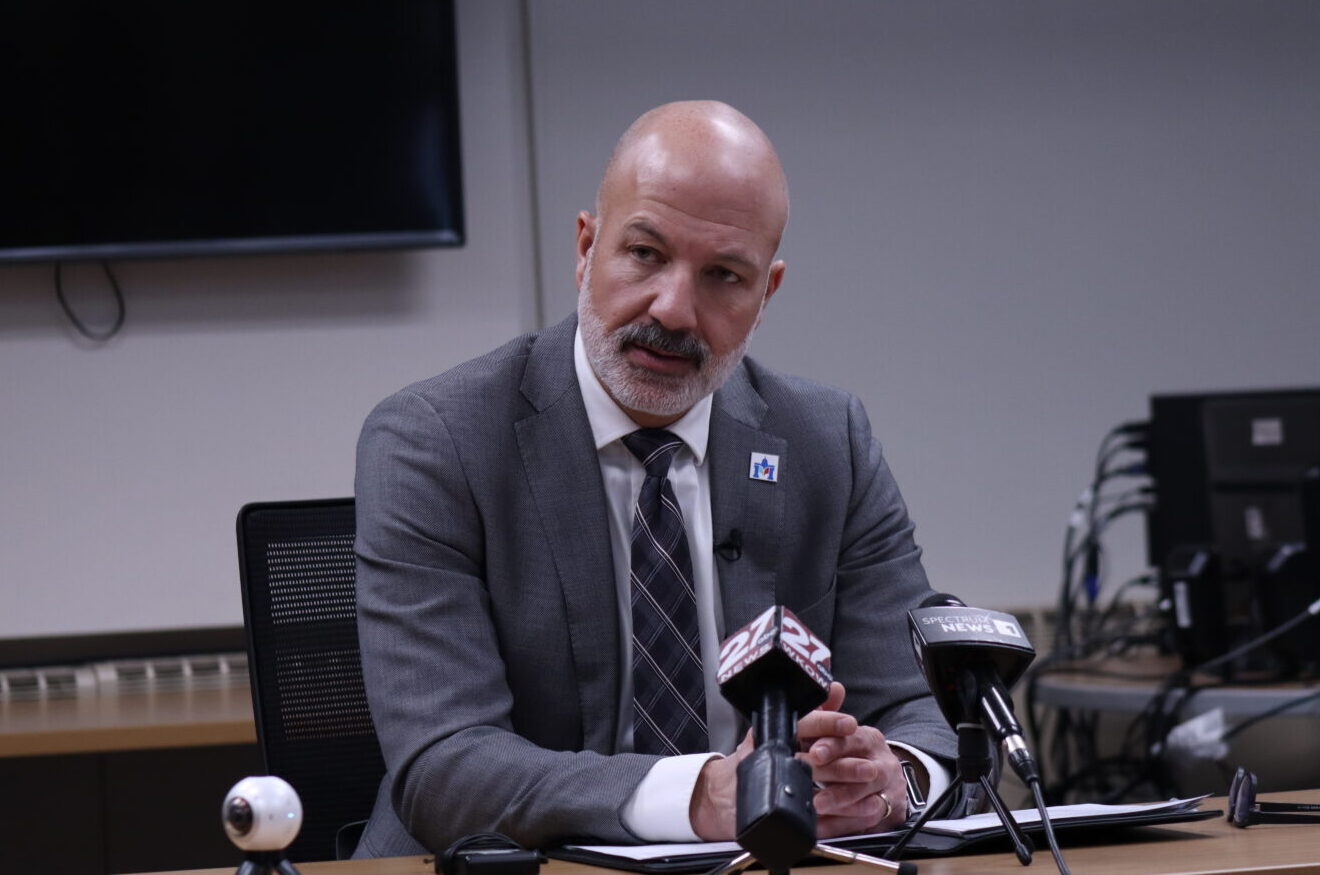
MMSD officials expect the district will receive around $7 million less in general state aid than this year. The district will place a higher reliance on local property taxes to make up the shortfall, which MMSD’s Superintendent Dr. Joe Gothard has warned since last year. Figures are set for some level of fluctuation as MMSD is still evaluating expenditures, staffing needs, program investments and work to find a solution to the lack of special education reimbursement it sought.
“Our budget reflects what we value most as a school district,” said Dr. Gothard. “We are committed to uplifting the student experience, supporting our staff and making strategic investments that move our schools forward. At the same time, we must plan responsibly for financial realities that continue to challenge public education.”
Potential cost increases are expected to sit between $30.2 and $38.2 million. Current estimates include:
- $4.7 million for compensation step increases
- $9.5 million for inflationary compensation increases
- $14-16 million for health insurance increases
- $2-8 million for salary compensation study outcomes
- Unknown amount for parental leave benefit expansion
The district currently receives about 10% of its funding from general state aid. Larger urban districts in other states receive a much higher proportion of their funding from the state, Gothard said.
Special education reimbursement continues to be an especially thorny issue for MMSD. The district requested a 42% reimbursement from lawmakers for 2025-26, to increase to 45% next year. Instead, the state only offered 35%, only a slight increase from its previous 32% rate.. The resulting shortfall amounts to $62 million.
MMSD plans to work with other districts to find solutions to the shortfall.
“These increases reflect contractual obligations, market conditions and our responsibility to remain competitive as an employer,” said Bob Soldner, assistant superintendent of financial services. “We begin planning early so we can evaluate multiple scenarios, manage risk and minimize disruption to schools and classrooms.”
Early learning has also been an important initiative for MMSD, which started to offer full-day 4K this year and plans to expand it.
“We know early learning sets the foundation for long-term academic success,” Dr. Gothard said. “Even when funding formulas fall short, we remain committed to ensuring our youngest learners have access to high-quality, full-day experiences.”
Above all, MMSD states that its recent voter-approved facilities and operations referenda has helped to stabilize its financial position but funding challenges remain a key issue.
It is currently working to rebuild and reconstruct 10 schools, like Sherman Middle School and Shabazz City High SchoolSchoo, whcihl that was built in 1928. At Sherman and Shabazz, portions of the building are uninhabitable and pose safety risks.
The school is one of the oldest in the district, but even many newer buildingsmany were built over 60 years ago, without capacity for a much larger student body and modern educational practices. the plans for the modern setup and class size of education now.