This year’s annual update from “Saving Our Babies” urged commitment to fund programs to improve outcomes for Black maternal health, as The Foundation for Black Women’s Wellness believes it has found the solution for one of Wisconsin’s long-standing disparities.
On May 5, the Foundation for Black Women’s Wellness held its 7th annual press conference to update the community on its efforts. The organization was founded in 2012 to eliminate health disparities and improve outcomes for Black women and infants. Wisconsin has historically ranked as the state with the worst rates for Black infant mortality and deaths of Black women from pregnancy-related complications.
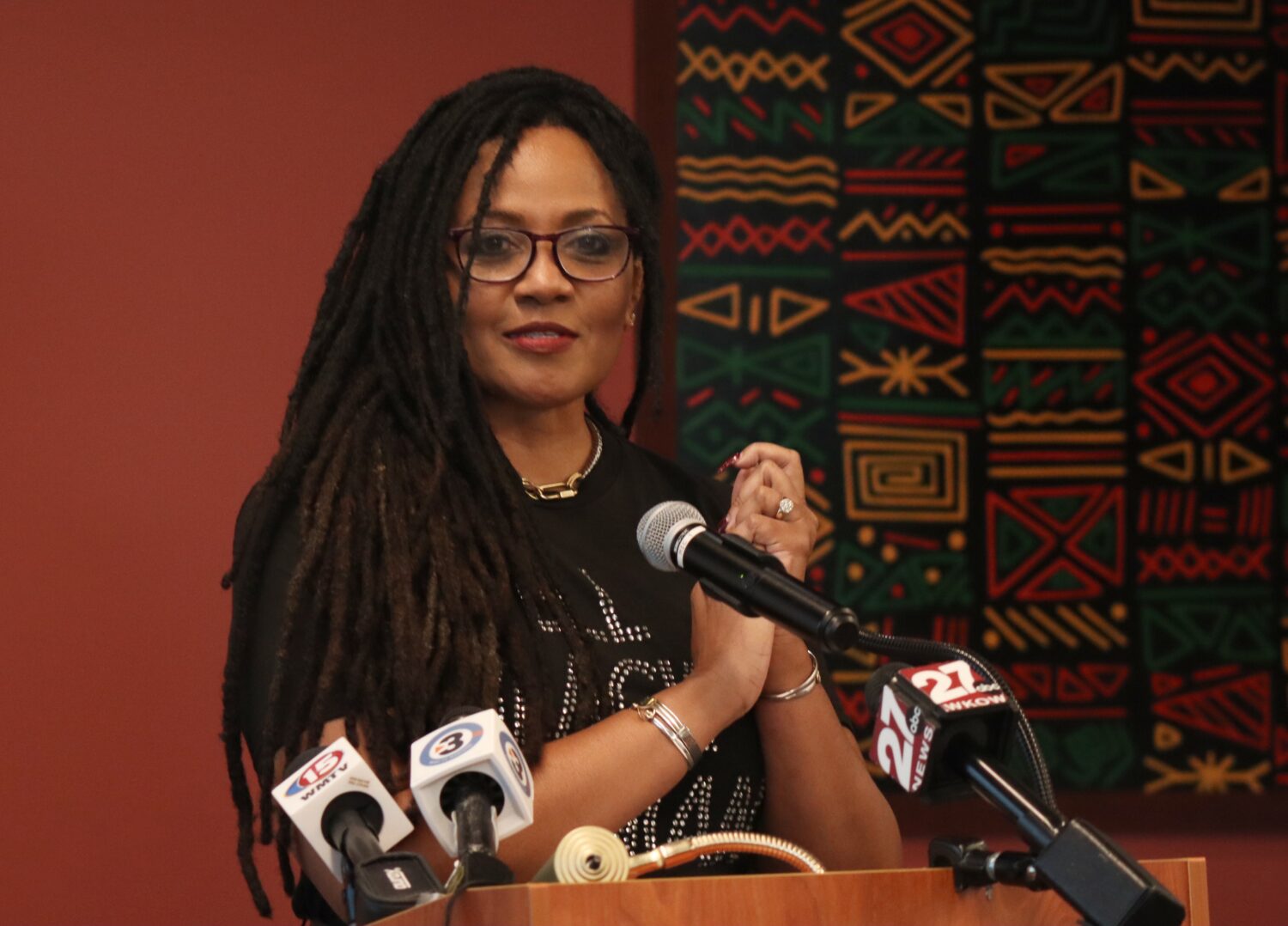
“We started with a very clear intention to be bold and to be courageous in our efforts to tackle a decades-long public health crisis,” said Lisa Peyton, CEO of the Foundation for Black Women’s Wellness. “We can say with confidence that the Saving Our Babies initiative represents one of the most innovative, impactful and comprehensive public health solutions in Wisconsin.”
The effectiveness of the initiative has been proven with data, Peyton said.
The initiative is partnered with ConnectRx Wisconsin, a program that provides support to pregnant patients with social needs in Dane County. It connects high-risk Black pregnant mothers with doulas, community health workers and resources to address their social needs.
Doulas are a key component of efforts. Doulas are trained, non-medical professionals who provide physical, emotional and informational support throughout the pregnancy and after childbirth.
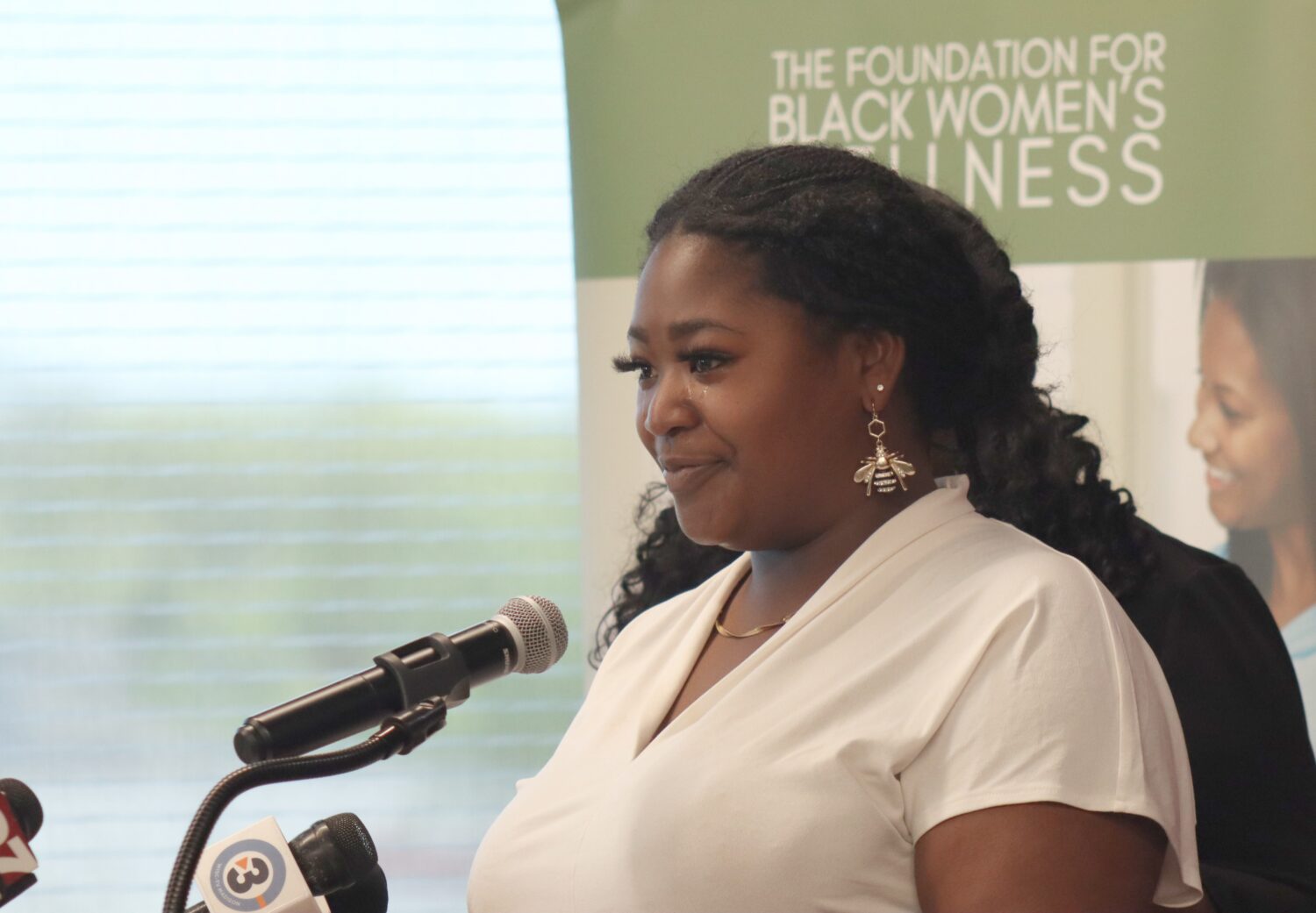
(Photo by Omar Waheed)
To date with ConnectRX, over 18,500 screenings have been done that yielded 4,525 referrals and supported 515 births. Of those births, 332 have involved doula care.
Participants showed that 94% of births reached optimal gestational age and 93% of babies were born at healthy weights, which exceeds the national average of 90-91%, according to the Center for Disease Control.
Still, regardless of more positive outcomes for Black maternal outcomes, Wisconsin’s problem remains consistent. Black mothers still face a mortality rate of over 2.5 times that of white mothers from pregnancy-related complications, according to the Wisconsin Department of Health Services.
However, Peyton remains hopeful as its tested means to reduce negative outcomes has brought to light a solution with ConnectRx and doulas.
“We have the blueprint. I want y’all to hear that loud and clear, we have the blueprints,” Peyton said. “So the conversation now is not about whether we have the solutions. It is about whether we have the collective will as a community to sustain and scale what we know is effective.”
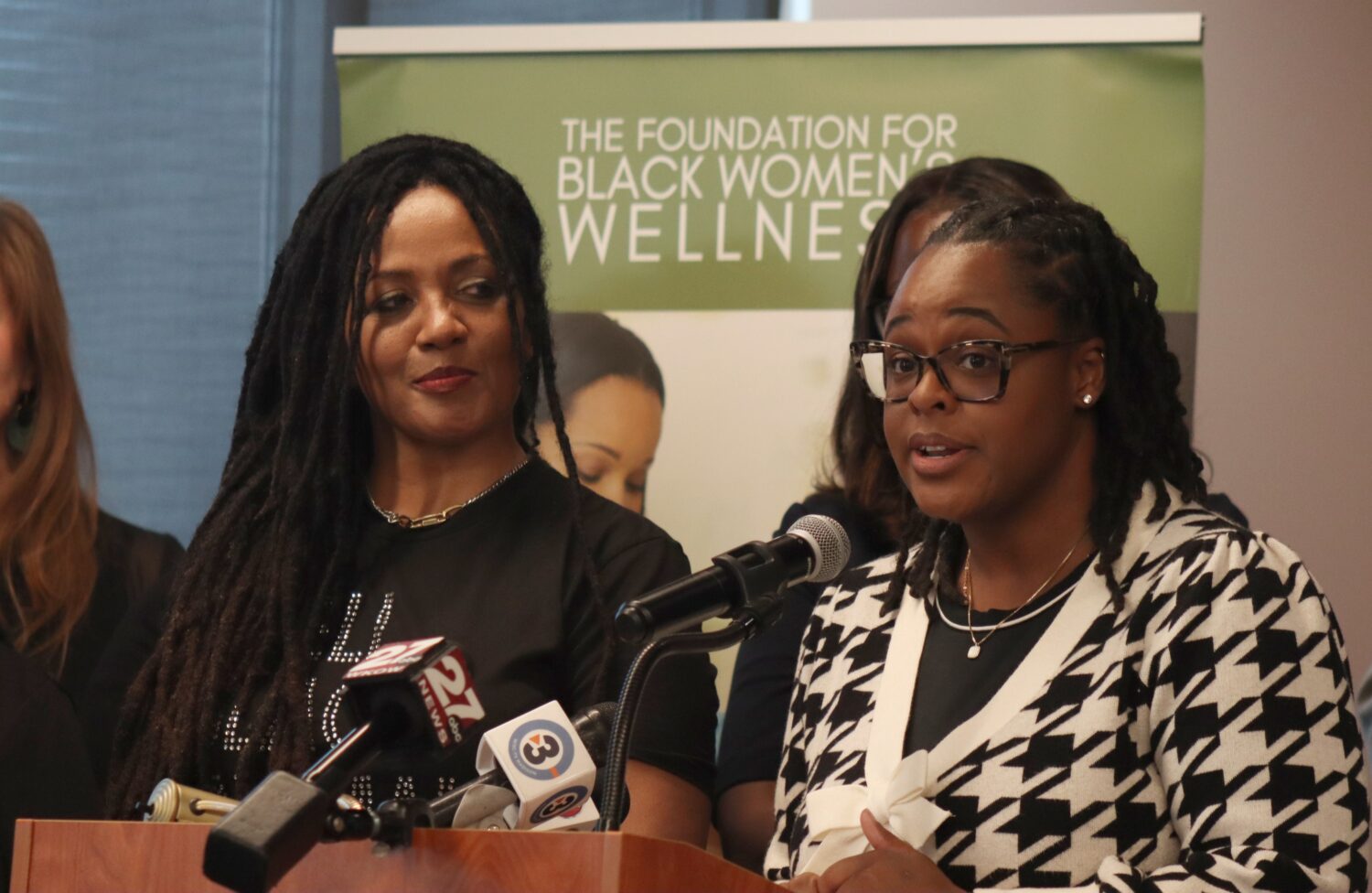
(Photo by Omar Waheed)
The blueprint is to utilize ConnectRx to reach families with the highest need. According to the data presented at the press conference, early connection within the first trimester saw the largest impact for outcomes.
Other findings include that longer participation is linked to stronger outcomes, around 6-7 months; that the need is higher than its current capacity; a need for larger sample sizes and longevity of the program to measure generational effectiveness; and that systemic and structural barriers need to be addressed rather than solely relying on programs.
Peyton called for more funding for efforts. It has raised $8 million throughout the years. An increase in funding would allow it to expand its reach as it sees a higher demand for its services.