
(CNN) — Annual inflation rose to a three-year high of 4.2% in May, underscoring how elevated energy prices are rippling through the US economy, according to new data from the Bureau of Labor Statistics.
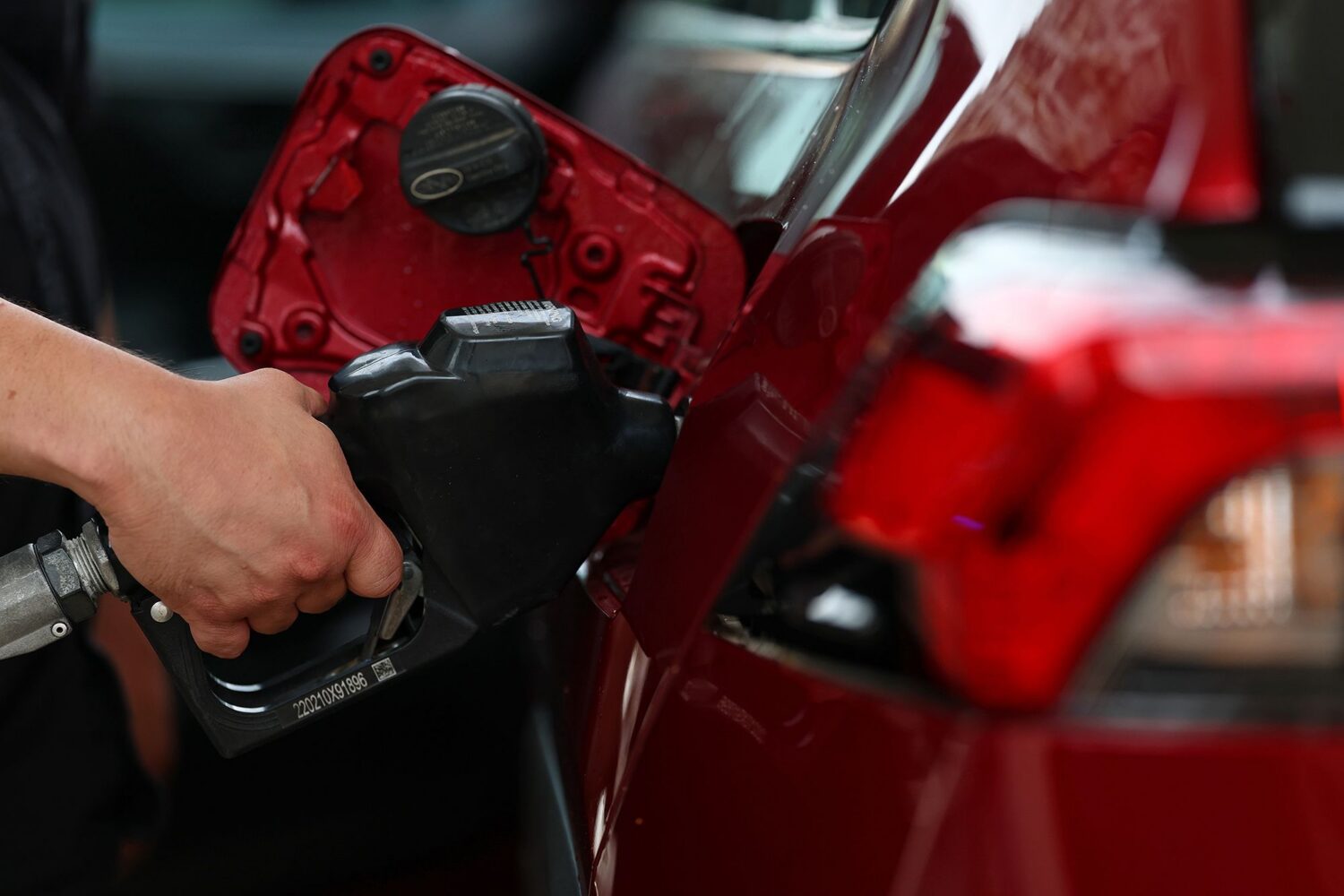
Prices rose 0.5% on a monthly basis, driven higher by the US-Israeli war with Iran, the latest Consumer Price Index shows. The higher cost of energy accounted for 60% of the monthly increase.
Overall food prices and grocery prices didn’t rise as fast as they did in April, increasing 0.2% and 0.1%, respectively, versus 0.5% and 0.7%.
Economists were expecting prices to rise 0.5% from the month before and for the annual rate to accelerate to 4.2% from the 3.8% reported in April, according to FactSet estimates.
“[4.2%] is still too hot for comfort, but the more important news was that the increase was concentrated mainly in energy, especially gasoline, rather than spreading widely across the economy,” economist Sung Won Sohn, a professor of finance and economics at Loyola Marymount University, wrote in a note on Wednesday.
The underlying inflation trends are running more muted. The closely watched “core” CPI gauge that strips out food and energy rose a slower-than-expected 0.2% from April, bringing the annual rate to 2.9%.
Still, May’s inflation data highlights the affordability concerns for Americans ahead of the midterms and puts fresh focus on President Donald Trump’s pledge to lower prices.
May’s release is the first inflation report since Kevin Warsh was sworn in as the chair of the Federal Reserve, succeeding Jerome Powell. With inflation moving in the wrong direction and the labor market showing signs of resilience, economists expect the US central bank to keep rates unchanged — or even consider raising them.
Overall prices aren’t rising as sharply as they did in March and April; however, the past three months have seen the fastest pickup in price hikes since the April through June period of 2022, when inflation was climbing to a 41-year high.
That’s an unsettling throwback; however, economists say that this bout of inflation isn’t expected to be as bad as the last one – recent projections had CPI topping out in the range of 4.5% to 5% this year, as opposed to 9.1%.
“Inflation might not get worse, but it’s going to be a bit warm for the time being,” said Nancy Van Houten, lead US economist at Oxford Economics. “It might not cool until next year.”
‘Still a lot in the pipeline’
Plenty of price pressures remain, as do risks – including those that extend beyond the war in the Middle East, said Diane Swonk, chief economist at KPMG.
“What we’ve got is hot, sticky and persistent underlying inflation with the dispersion of price increases broadening again, instead of narrowing,” she said.
Prices have yet to reflect the full spillover effects from the US and Israel’s war with Iran, she said. The conflict has resulted in the Strait of Hormuz being effectively shuttered, choking off the flow of oil and other critical materials such as metals and fertilizer.
“We’ve yet to hit the full effects of the war on food prices,” she said. “The fertilizer, diesel costs, reduced crop yields and the potential effects of an El Nino – none of that hits until they get into the fall harvest and into 2027.”
And that doesn’t account for the potential impacts from another round of tariffs promised for this summer and any knock-on effects the high oil prices could have on shipping and packaging, she said.
“There’s still a lot in the pipeline,” she said.
That includes the effects of the rationing taking place in some emerging markets, which has resulted in some manufacturing being idled, she said, noting supply effects on products such as cooking oil and apparel.
Additionally, the artificial intelligence boom is pushing prices higher for electricity as well as certain electronic components and software, she said.
Plus, the latest war-driven price shock adds yet another layer of fast-rising prices, further compounding the effects of five years of high inflation. Affordability pressures are building, and Americans are likely to have an even harder time keeping up.
The fast-rising prices are outstripping workers’ paychecks, and that gap is widening: Annual real (inflation-adjusted) wages declined for the second month in a row, with the loss widening to 0.7% from 0.3% in April.
That could further erode Americans’ purchasing power, potentially weakening a critical economic engine in the process.
“It’s not ’22, but it doesn’t need to be, because ‘22 started from a lower level; it’s much like stock returns compound to build wealth, inflation compounds to keep the level of prices out of reach for too many – and now they’re accelerating again,” she said. “Those things are moving in the wrong direction for most consumers, and that’s why they’re angry and upset.”
The-CNN-Wire
™ & © 2026 Cable News Network, Inc., a Warner Bros. Discovery Company. All rights reserved.