Summer is the most cherished time of year for Wisconsin residents. After a harsh winter, there’s nothing better than spending your days outside.
However, every good Wisconsinite knows a day spent out in a forest or at a lake is not complete without a tick check.
Every kid knows to look for ticks because they can cause Lyme disease, but a different tick species popping up in Wisconsin is a new reminder to check.
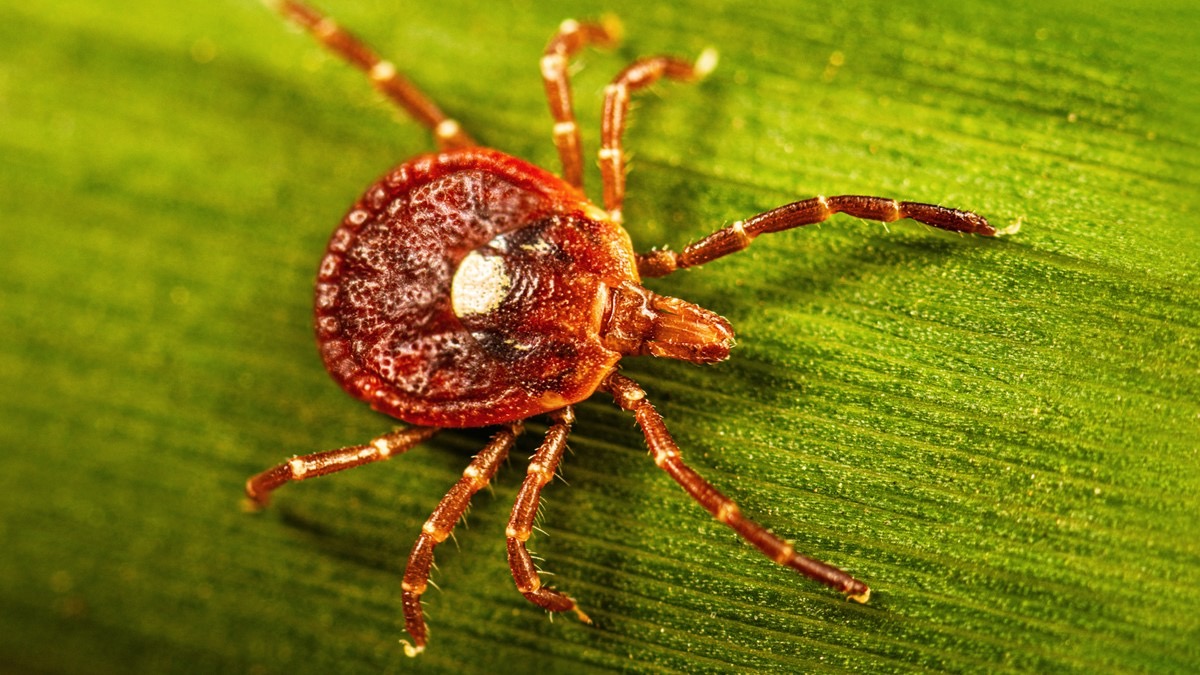
The Lone Star Tick (Amblyomma americanum) is an aggressive species widely distributed in the eastern, southeastern, and south-central United States.
The species is famous for its bite, which causes Alpha-gal Syndrome (AGS). The tick’s bite can put humans at risk of developing AGS, which causes an allergy to red meat.
The Centers for Disease Control (CDC) reported that more than 110,000 suspected cases of AGS were identified between 2010 and 2022 in connection with lone star bites.
The tick hasn’t established a permanent population in Wisconsin yet, but that doesn’t mean they aren’t present in the summer months.
The lone star tick historically has been present on the East Coast and even as far as Southern Michigan and Illinois.

Dr. Adela Oliva Chavez, an assistant professor in the Department of Entomology at the University of Wisconsin-Madison, explains how warmer weather is helping the tick expand its prevalence.
“That’s the problem with warming temperatures. What is happening is that the tick is recovering where it used to be found, so in certain places we just stopped seeing the tick,” Chavez said. “Now it’s moving back, so it’s recovering in some of the locations that it had been in.”
The Lone Star tick has now established a population in states such as New York, Texas, and much of the Southeast.
The scary part is that the Lone Star tick has been found in parts of Northern and Southern Wisconsin.
Furthermore, lone star ticks are different from the common deer tick because they seek out humans and mammals to bite.
“Amblyomma americanum is a hunter tick. What that means is that it’s a tick that actually will crawl towards you. That’s why it’s scary,” Chavez said. “It’s very aggressive.”
Dr. Chavez suggests that these ticks hitch a ride on birds migrating north while they’re in larval form, and once the birds reach Wisconsin, the adult ticks drop into the wild.
The comforting part for Wisconsin residents is that winter is too cold for this species to survive through the fall.
“They survive during the summer, but then the winters are still cold enough that it will kill any live ticks,” said Dr. Chavez. “So that’s why they are not considered established, but we do find them here in Wisconsin.”
Despite this reassuring fact, the impacts of climate change on Wisconsin’s winters make it possible for the tick to establish itself.
“As we have less and less cold days, then it increases the chances that in southern parts of the state we start seeing more of the tick. That is what is happening in New York,” Dr. Chavez said.
AGS is an incredibly scary prospect for any enjoyer of red meat, but the best ways to ensure safety from tick bites are straightforward.
Dr. Chavez advises people to apply a 15% DEET solution and permethrin on the outside of their clothes to keep ticks away. In addition, being proactive about your clothes go a long way.
“It helps a lot if you’re wearing light clothes. So if you’re wearing white or something, light blue or something like that, because then you can see when the tick is crawling on you,” Chavez said.