A Sacramento-based nonprofit focused on helping young students of color attend colleges and universities comes to Madison as it expands its mission.
Improve Your Tomorrow was founded in 2013 in Sacramento, California, to combat issues many young students of color face in the education system. Its vision is to increase the number of students of color attending and graduating from colleges and universities through mentorship and classroom-based programs. Madison is its eighth area of focus after Improve Your Tomorrow started seven communities prior in five states.
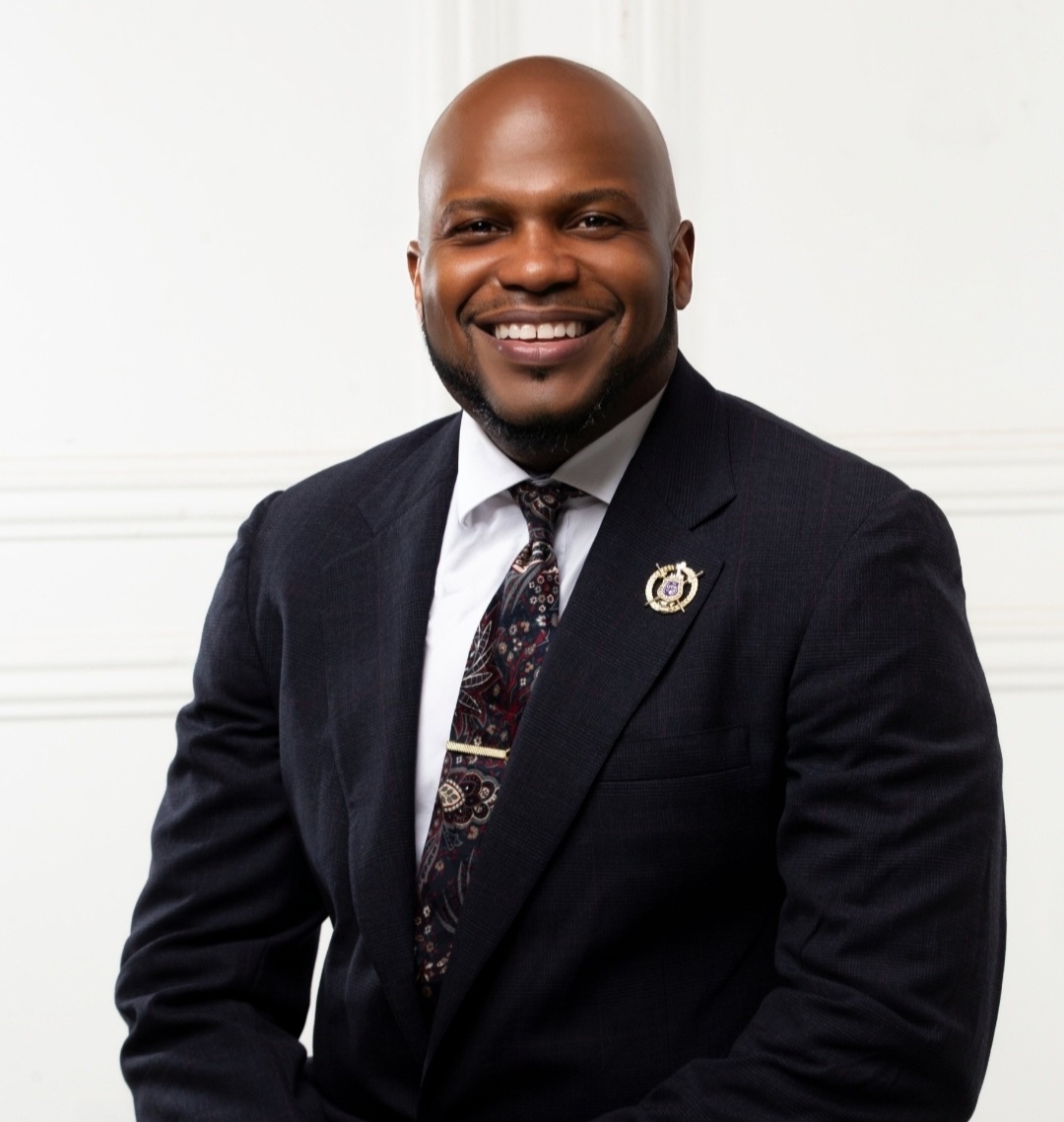
Work to bring Improve Your Tomorrow to Madison started in 2024. Urban League of Greater Madison CEO Dr. Ruben Anthony reached out to Korbey White to consult for the Sacramento-based nonprofit to do a landscape analysis of the state of Wisconsin and how Black and brown students are performing academically.
“It took me about a month to put all of the information and presentation together, but as I’m researching this information, some of those statistics not only brought tears to my eyes, but they were just jaw dropping,” White said. “You would expect the preconceived notion that a lot of these instances are happening in the south or severely underfunded school systems or districts.”
One of the statistics White pointed to in his research was the performance of Black eighth graders in Wisconsin. The group is only outranked by the District of Columbia in math proficiency for Black eighth graders — but that isn’t a state.
“And there’s so many more statistics like that,” White said. “Black and brown students in the state of Wisconsin, regardless of grade, have the second highest out-of-school suspension rate in the nation, second only to New Jersey.”
White learned a lot in his research. When he reported his findings to Improve Your Tomorrow’s executives, they knew they needed to be in Wisconsin.
After consulting, Improve Your Tomorrow Co-CEO Michael Lynch wanted White to serve as Wisconsin’s executive director.
“They asked me to be executive director for a lot of reasons, mainly my network and being able to expose the entire state to the program,” White said. “The first thing I did was say, ‘Let me start something in my own backyard of Dane County.’”
White and Lynch went on to meet with Madison Metropolitan School District (MMSD) executives at Akira Toki Middle School, 5606 Russett Rd. They laid out what Improve Your Tomorrow is and the research White compiled while consulting.
Improve Your Tomorrow successfully entered MMSD. It started its programming at Capital and La Follette on Oct. 13. It aims to serve youth of color between 7th grade through college who have a grade point average under 2.0 within Improve Your Tomorrow’s overall mission. To do that, White strives to meet the children where they are.
“A lot of them are the breadwinners in their households. Some of them are even homeless. I mean, there’s a myriad of reasons why their grade point averages look like that,” White said. “What we do is figure out what’s going on. We have an in-depth conversation with the brother as well as their parents to find out how they are living.”
Nurturing the whole person, not just the student, is the key to success. Improve Your Tomorrow looks for issues like food insecurity and provides food, after-school programming, enrichment activities and opportunities to expose them to college.
But not every student can necessarily make it to after-school programming. Improve Your Tomorrow worked out by adding the program into the available curriculum so students can participate while they’re already at school.
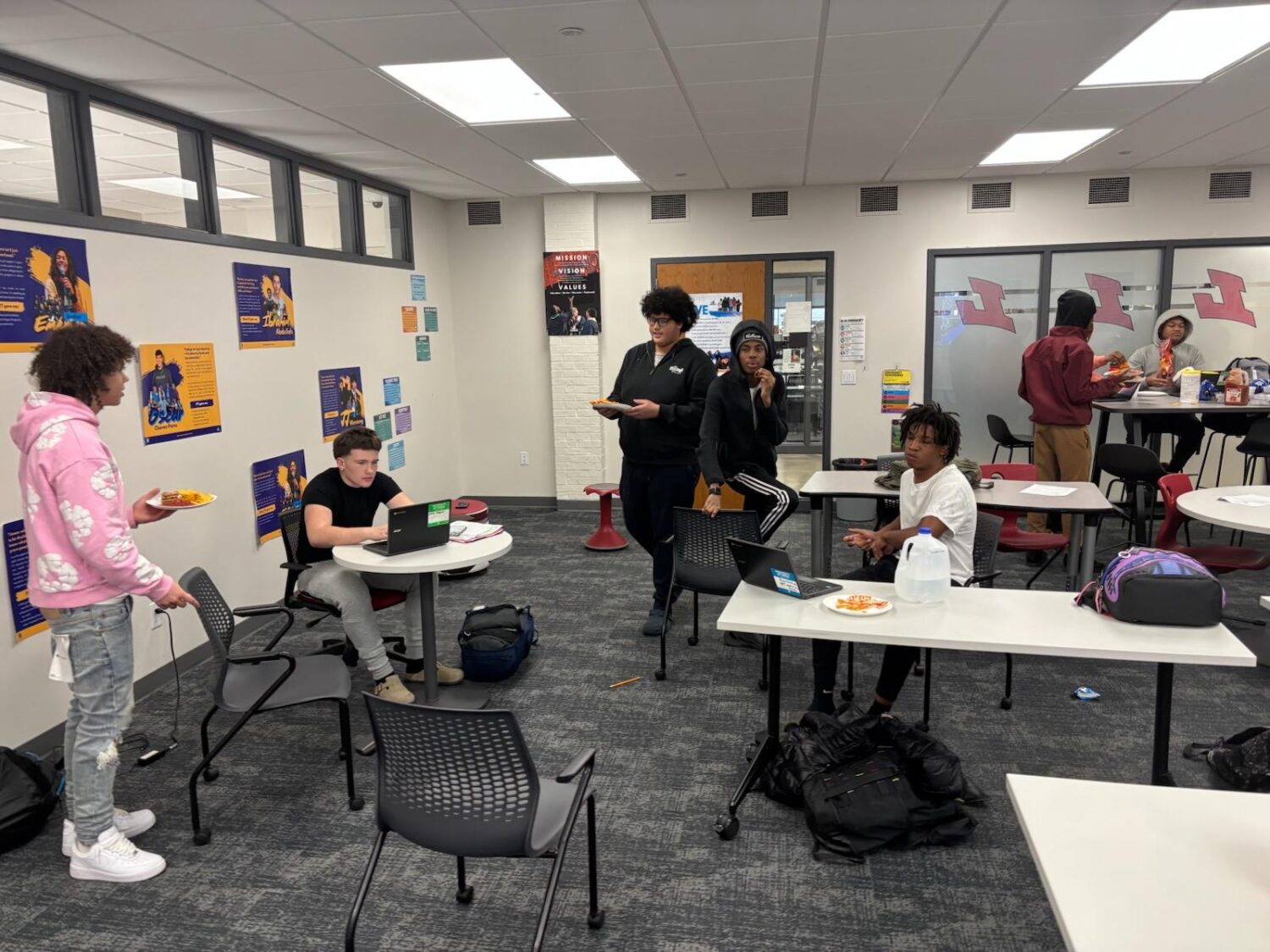
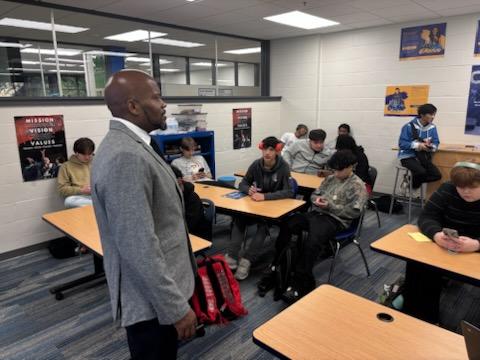
“A lot of these kids have to report to jobs after school. Some of them are athletes. Some of them are taking care of their family, but as long as they’re at school, IYT, Improve Your Tomorrow, is one of the classes that they can select and make part of their schedule,” White said. “That’s a major win for us.”
Exposure to college and asking students about their plans for education is a cornerstone of the plans. The first question asked to students is if they see themselves going to college. One student at La Follette High School told White he couldn’t see himself in college ever.
“I said, ‘Why?’ And he looked me dead in my eyes and said, ‘I’m too stupid,’ and he was serious,” White said. “I said, ‘Well, why do you think that?’ He said that’s what he’s heard his whole life.”
White wants students to overcome that mentality. Students are taken on college tours to universities like UW-Madison, Whitewater and Madison College to show them where they could be.
Students who graduate from Improve Your Tomorrow’s program have guaranteed admission to Madison College, so students know there is a firm opportunity for them.
An issue he hears often is that some students are disengaged from their teachers because they feel like they cannot relate to educators.
“When they can relate to you and you can relate to them right away, you have their attention,” White said.
He finds the best way is to be open and honest about his and its program manager, Aaron Broadwater’s, upbringing to inspire students to overcome their circumstances.
White was born and raised in Watts, California. The southern Los Angeles neighborhood is known for the 1965 Watts Riots caused by police brutality that resulted in the deaths and injuries of many, and gang violence between the 1980s and the 2000s.
“Aaron and I tell our stories about our upbringing, how many people we lost,” White said. “When I was 10 years old, my best friend was abducted, sodomized and thrown into the Pacific. That was at 10 years old, and I’ll never forget that. What I learned, what 10-year-old Korbey learned was, ‘Don’t skip school.’ As an adult, I realized there’s many more layers to that problem that led to my friend Jason’s death.”
You can hear a pin drop when he tells that story, White said. Broadwater, the program manager, is from Milwaukee’s North Side and has similar significant life events that transpired there.
“A lot of these kids, they’re going through similar issues, and you have to be able to relate to them and they have to be able to relate with you for you to even communicate with them,” he said.
The program has been successful so far. Wisconsin has the highest attendance and engagement out of the eight communities in five states. It boasts 70% of students attending workshop programming.
The Wisconsin branch has also increased its presence into the Verona Area School District and hopes to enter Milwaukee in the future.