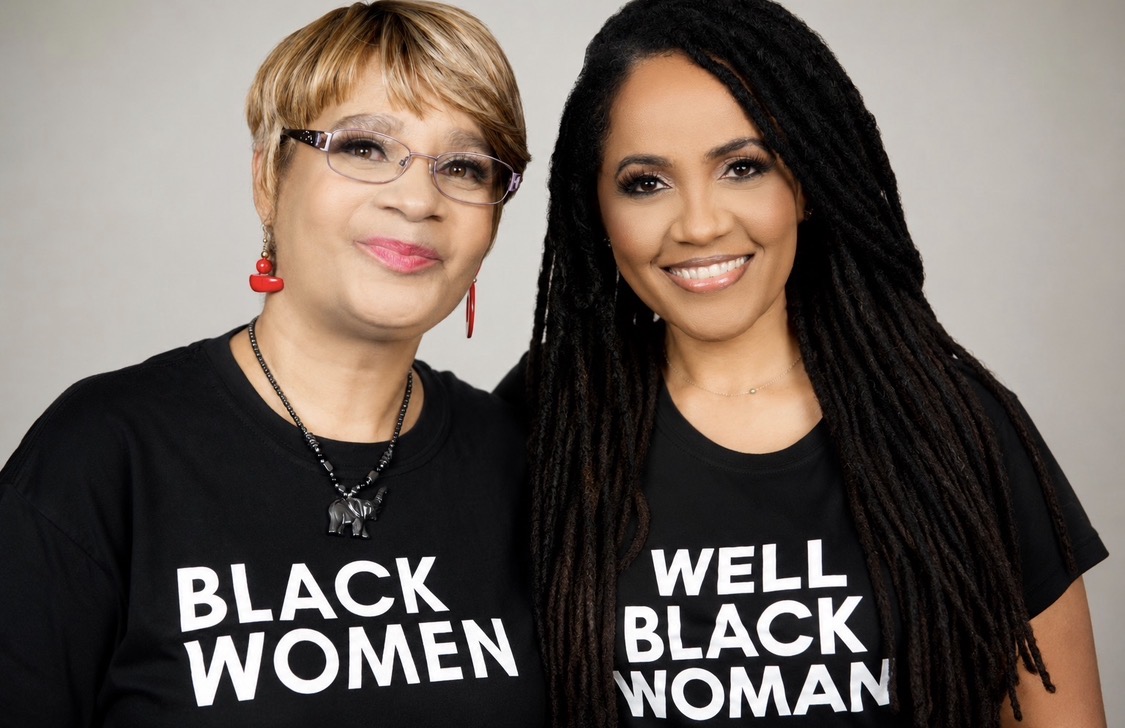
Mary Wells was first diagnosed with Lupus in 1997. Lupus support groups in Madison were not to be found; in fact, very few people around her “had even heard the word Lupus,” said Wells.
In 2014, she founded the Lupus Support Group for Women of Color (LSGFWOC), working to link women with similar experiences to each other and the knowledge to support their health.
“I only knew one person that I had ever even heard that word from. She passed away, but I didn’t know her. I really wish we would have been there for her. I’m doing this for the generation that isn’t even born yet,” said Wells. “I’ve got great grandchildren, [and] if they’re ever diagnosed with a chronic disease or lupus…God forbid…at least they’ll have a place where they can be supported emotionally.”
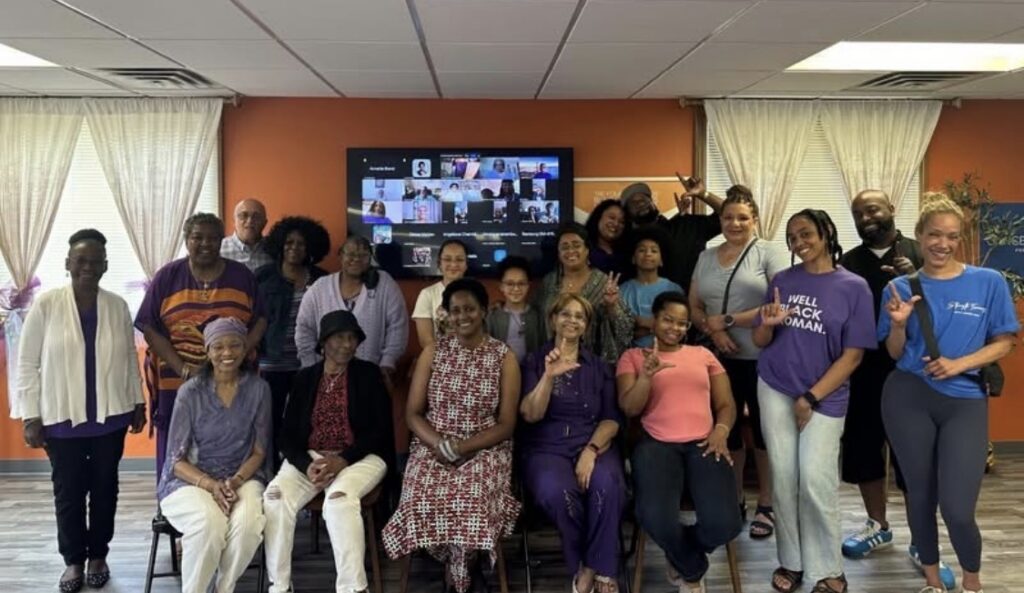
The support group now has international reach. Wells is set to speak at the Lupus in Black Conference in England next month. Lisa Peyton, founder of The Foundation for Black Women’s Wellness (FFBWW) will accompany Wells on this “once-in-a-lifetime opportunity.”
“It’s going to be worth every second of being there…The title of the conference is ‘Lupus in Black’, [and it] just kind of says it all in those three short words,” said Wells. “Everyone’s there for the same reason. I can see it reverberating around the world because everyone that’s there are from different parts of the world, and so it’s going to reverberate around. I’ll be sharing things back with [the support group].”
Vast health disparities place a need on spaces for Black Women to share their experiences without having to educate or explain themselves, said Wells.
“Particularly in Madison, where too often Black women are placed at the bottom of the priority list [or] of the totem pole when it comes to who is prioritized in decisions, when we talk about health quality, it’s our job –as folks who have been moved– to create these pathways and these solutions. We know why we do it, and we know why we have to sustain it,” said Peyton. “Supporting each other in continuing and persisting is so important and it changes lives. It opens opportunities that now go way beyond medicine.”
The LSGFWOC hosts a virtual meeting each month. Wells alternates between meetings with expert guests – doctors, disability attorneys, psychologists, rheumatologists, wellness experts and nutritionists – with open-topic meetings. Women from more than 24 states and multiple foreign countries join these meetings, Wells said.
“Women are comfortable, they [even] chime in from a hospital emergency room because they’re waiting four and five hours. The doctors are talking to them, and they could be being dismissed about their pain. Just not believed, [being asked] ‘are you drug seeking today?’ Lupus is an invisible disease, and we look just fine on the outside,” said Wells. “There’s a wide range of things, and every Lupus warrior is different – we have all kinds of shifts through different phases of our Lupus journeys. We understand each others’ language without having to explain anything, and that’s the beauty of that thing.”
Beyond bringing Black women together and spreading information across the world, the LSGFWOC sparked change in the scientific and medical community.
Wells and Peyton said that the group is working with the researchers at UW-Madison to find ways to better care for individuals with Lupus–creating more accessible and individualized treatment plans. Women in the support group engage in patient advisory boards that guide Lupus research and treatment, said Wells.
“The incredible path and perseverance that has been evolved from Madison, which is so interesting. We’re in Wisconsin, which I often say is the cradle of, racial health disparities, but there’s also incredible solutions coming out of Madison from women who are creating them for ourselves. That is the power of the story,” said Peyton.
Wells set up a GoFundMe to raise money for the travel costs to the Lupus in Black Conference.