The Urban League of Greater Madison held its 14th annual Excellence in Workforce and Economic Development Summit on May 6, with representatives from each county in Madison’s region in attendance to discuss economic mobility, workforce development, career pathways, artificial intelligence, and more.
The annual summit is dedicated to advancing talent, opportunity and growth. The Urban League brings in experts from multiple industries with keynote addresses, breakout sessions and opportunities to network with hopes to engage attendees with critical topics within the economy, workforce and community. The summit saw around 500 people in attendance as it looked to foster economic mobility.
“We continue to grow, we continue to attract talent and foster innovation. But at the same time that we have that growth, there is a real responsibility and there are legacy challenges that generationally we need to be honest about right here in Dane County,” said Melissa Agard, Dane County executive.
Agard pointed to the need for investments in workforce and economic development as Madison continues its growth. She credits the Urban League of Greater Madison as a backbone in providing growth through equitable access.
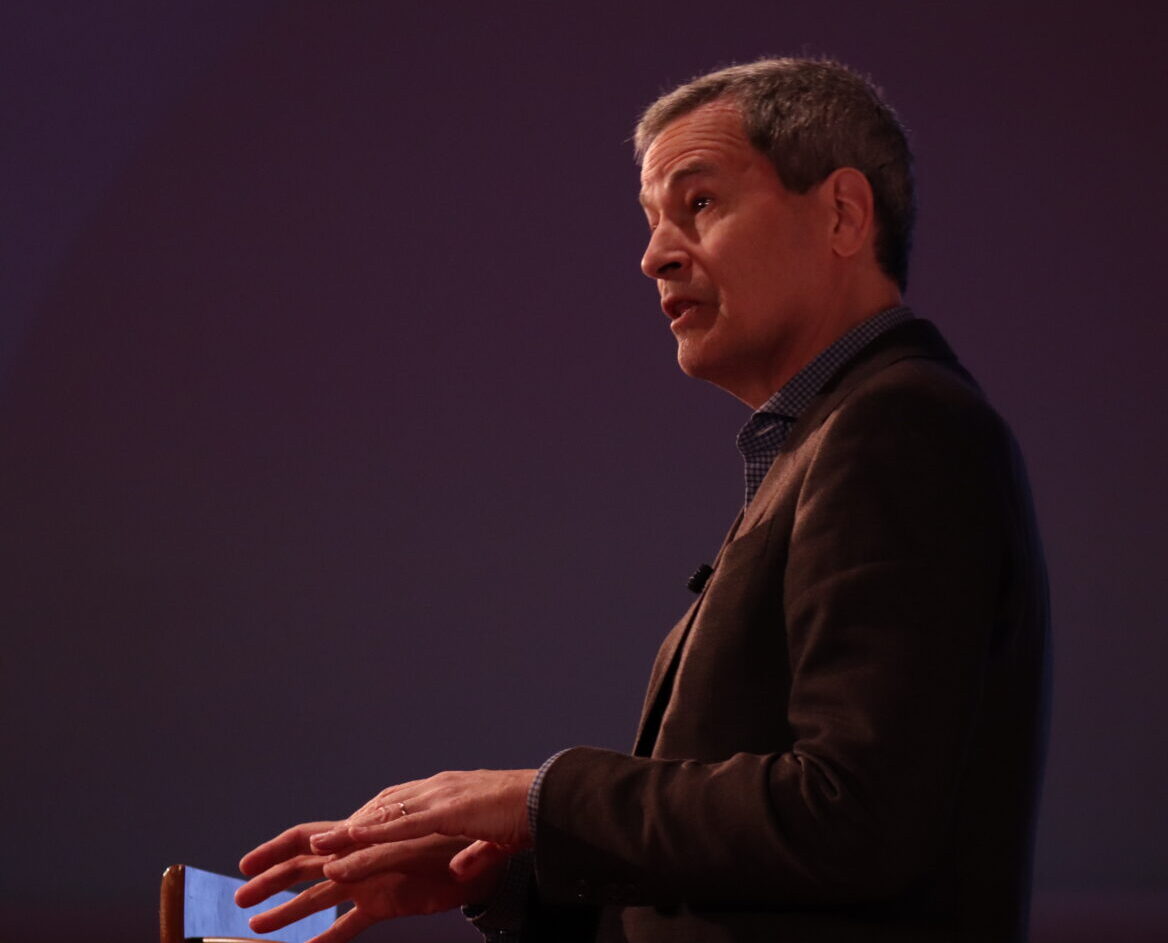
This year’s keynote speakers were Ron Busby Sr., president and CEO of the U.S. Black Chambers, and David Pogue, best-selling author and journalist.
Poge’s address centered on artificial intelligence (AI) and its impact on industries as the technology continues to rise. He spoke on its key points in its development and usage throughout the past nearly six years, and its dangers.
“What about jobs? What about the jobs that people used to do, writing, making invoices, translating? Well, they’re going away,” Pogues said. “It doesn’t necessarily mean that we’re going to become a nation of people lying drunk on our couches watching Netflix every day.”
Pogue said that predictions show that there will be other jobs to replace those lost by AI, but it will be a “long, slow, ugly” move.
Despite those predictions, Pogue dived into the reality of AI’s limits in its current stages. He pointed to an increase in lawsuits, AI making up information, flaws, impact on education and how the tech is frequently used in place of mental health services that lead to poor outcomes.
(Photo by Omar Waheed)
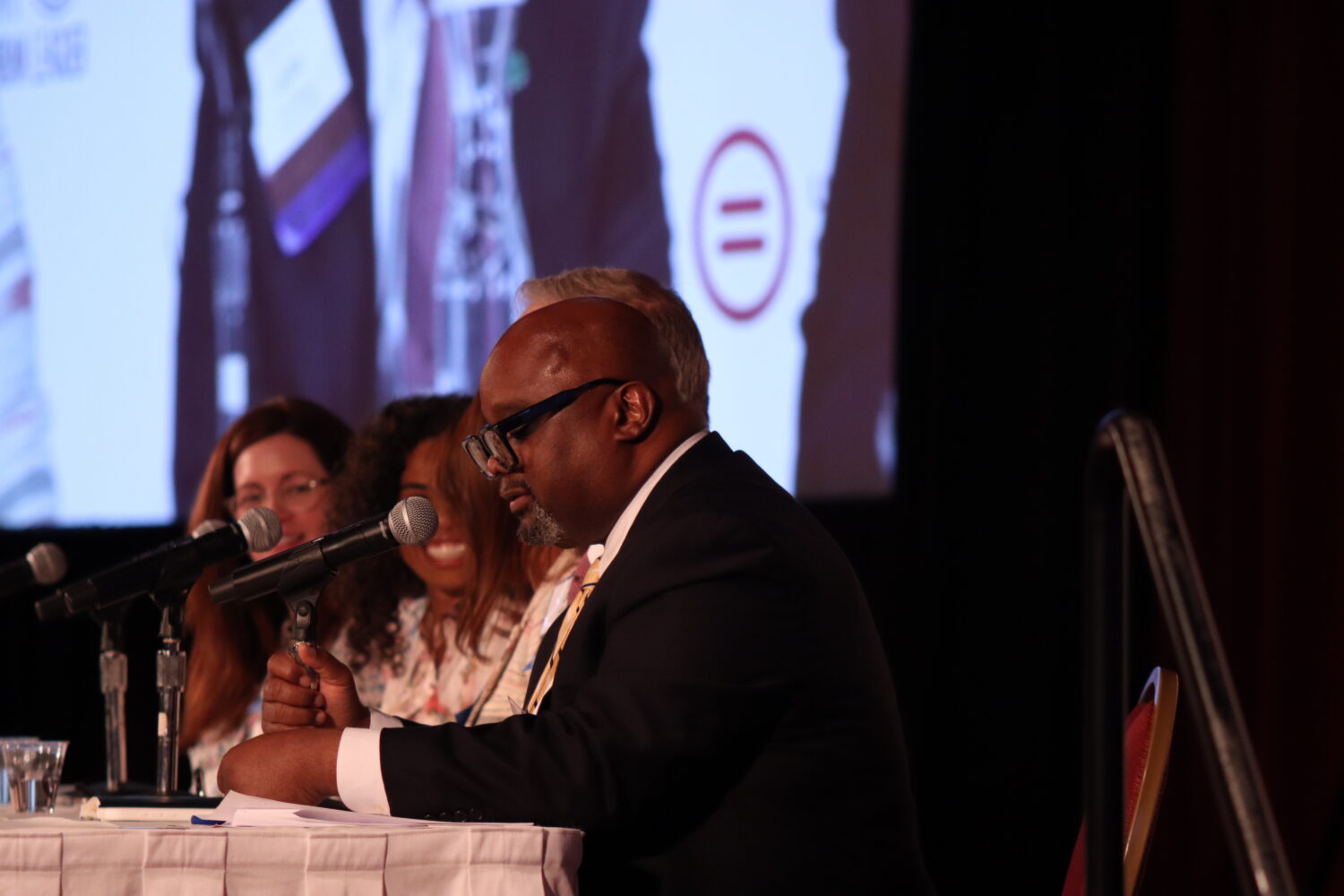
The summit closed out with a panel discussion with HR leaders at multiple large companies in the greater Madison area.
The final panel touched on the current state of legislation targeted at diversity, equity and inclusion and the shifts that companies have made.
“There’s organizations, I think, that felt this need to shift gears, or get a little quieter on their values when it relates to diversity, equity and inclusion and belonging as well,” said Andrea Cooper, chief people officer at Talkspace, a national behavioral health company. “We’ve really not only stayed the same at Talkspace, but we’ve really doubled down on some things.”
Talkspace has made use of “culture ambassadors” during interview processes where groups of employees talk about the culture of the company with prospective candidates to make sure it’s a fit.
Julio Manso, vice president and chief human resources officer at Associated Bank, said that they did not abandon DEI, but rather rebranded it to “cultural inclusion.”
“Human resources and legal quickly got together to understand what were the requirements of this executive order and look at our practices that were in place,” Manso said. “By and large, we were already compliant with what was being put in place.”
Associated Bank did not want to be a target, so it essentially just changed the name. The outcomes didn’t necessarily change, but it wanted to emphasize more of its employee resource groups.