
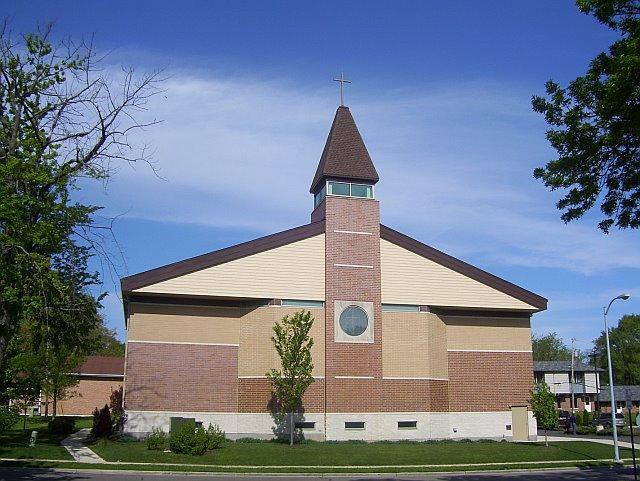
Mt. Zion Baptist Church began in 1911 above a harness shop on East Washington Avenue, organized as a mission by a handful of pastors from Chicago and Milwaukee. The rent was $10 a month. A minister traveled from Chicago to preach on Sundays for $10 plus room and board.
Next month, the South Madison congregation, now the second-oldest and largest predominantly Black church in Madison, will celebrate 115 years with a month of themed Sunday worship services, a new building design reveal, and a grand community worship service to close it out.
“A hundred and fifteen years is a long time to be around any establishment and not to be dying,” said Rev. Dr. Marcus Allen Sr., who has served as Mt. Zion’s senior pastor since 2016. “We’re thriving.”
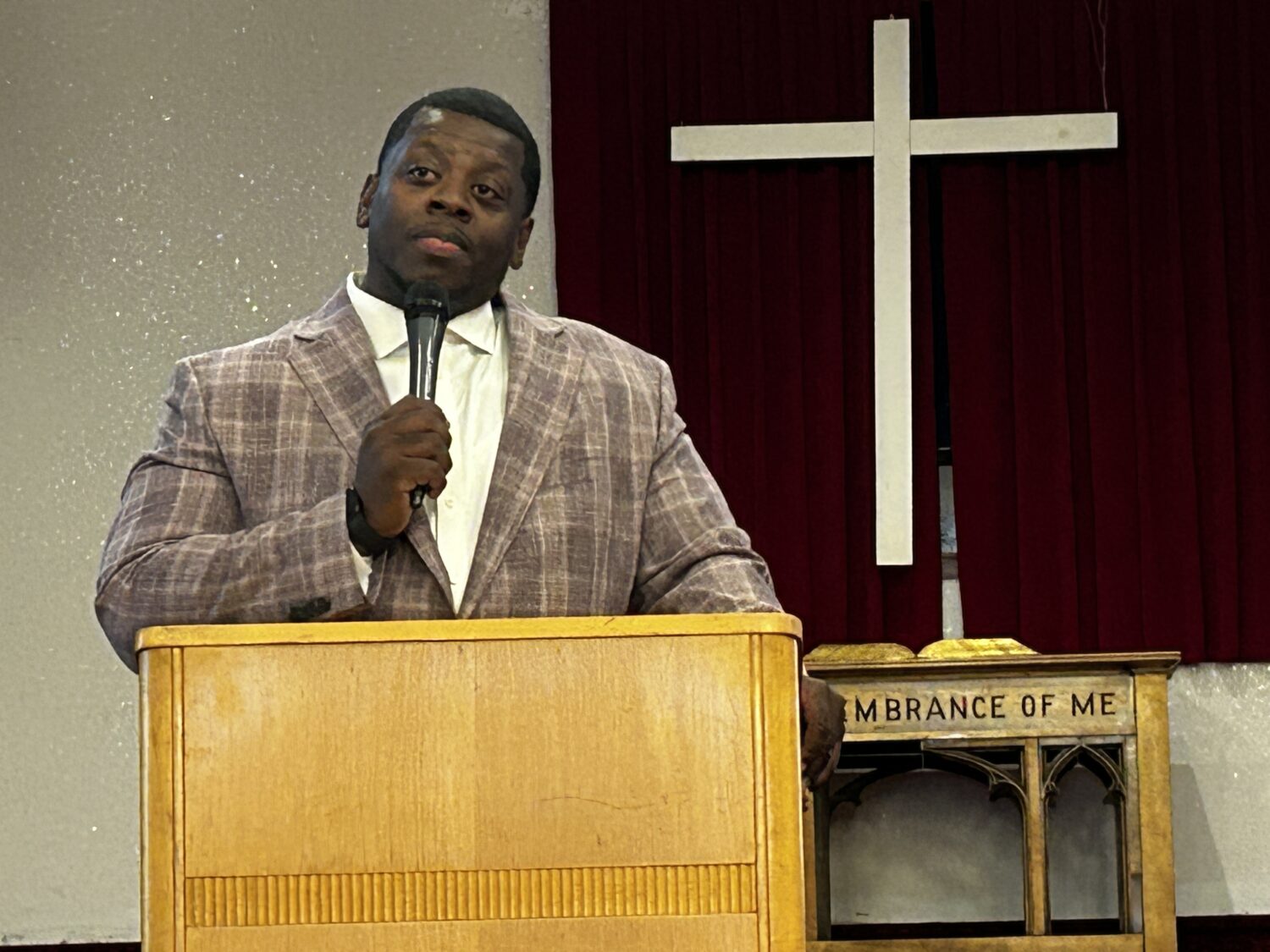
Each Sunday in May will carry a different focus. The first Sunday, on May 3, is “Old School Sunday,” a return to pre-COVID worship traditions. The second Sunday, Mother’s Day, will center women in the congregation. The third Sunday will focus on men. The fourth Sunday will be led entirely by children and youth. And on the final Sunday, May 31, the congregation will wear commemorative T-shirts marking the milestone, hear proclamations from government officials, and see the architect’s presentation for a new church building, an $8.3 million project that will house MTZ Charitable Organization’s mental health services and other community programs.
That afternoon, Rev. Trayvon Sinclair of Christ the King Baptist Church in Milwaukee will preach a grand community worship service, with visiting choirs joining Mt. Zion’s well-known singers.
The architect’s presentation is a significant moment. Mt. Zion is currently working with the builder and architect to finalize plans for city approval, with a review meeting expected in June. If approved, Allen said the church hopes to hold a groundbreaking service this summer. The architect is Strang, with Foxhole serving as general contractor — a veteran- and Black-owned firm. Looking for a general contractor? A general contractor oversees and manages all aspects of your construction or renovation project, ensuring everything runs smoothly from planning to completion.
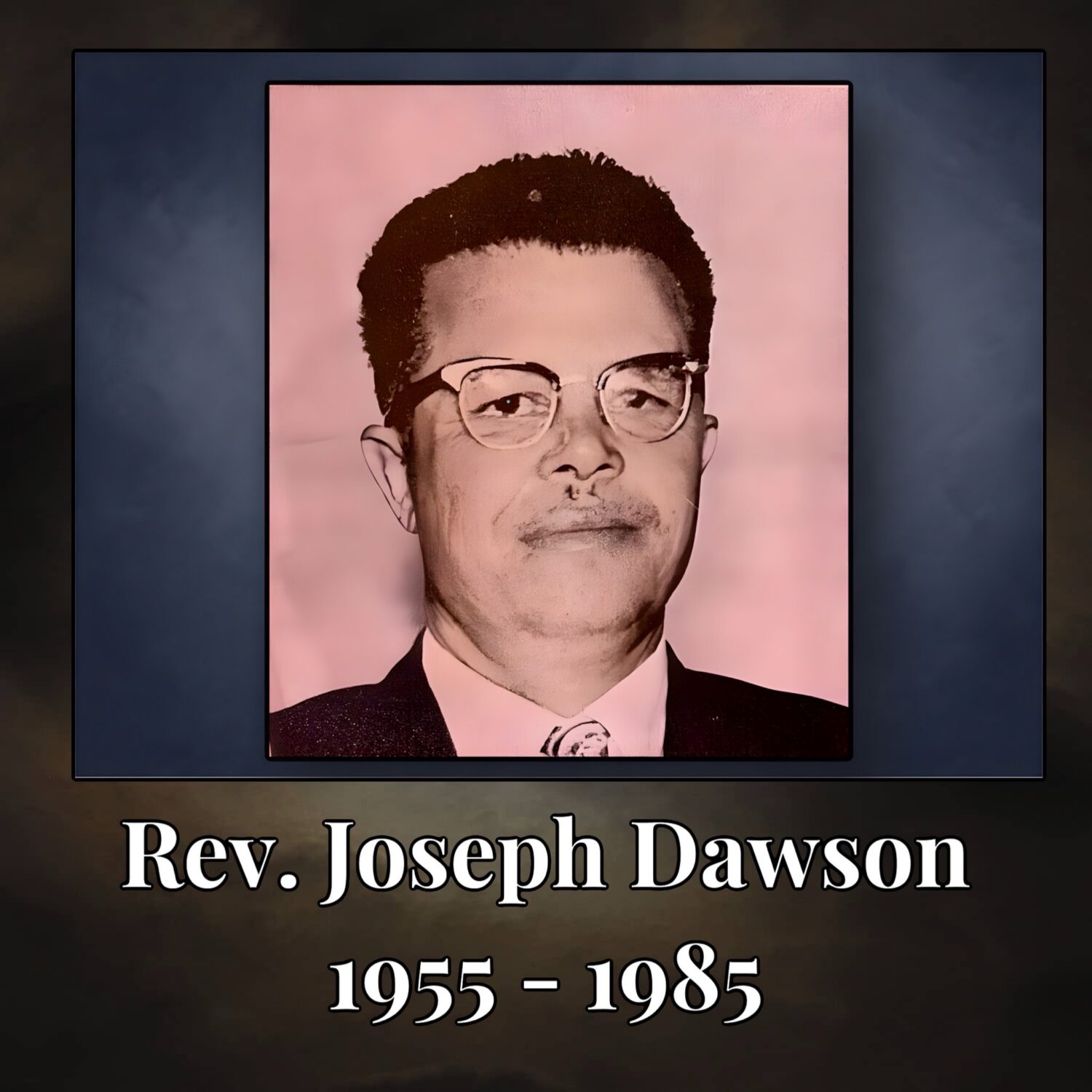
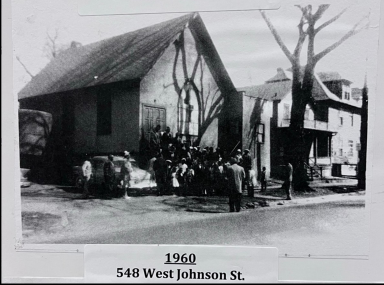
It would be the third time in Mt. Zion’s history that the congregation has built a new home. In the late 1950s, when UW-Madison informed the church that its West Johnson Street property would be demolished for new dormitories, Rev. Joe E. Dawson led the congregation to the Fisher Street site where the church still stands. Dawson, a skilled brick mason, asked each deacon to contribute $1,000 toward the new building. At the next meeting, 11 deacons and one member each brought their contributions — all in cash, stuffed in metal crayon boxes, shoe boxes, socks, and small grocery bags. Dawson then built much of the church himself, with volunteers pulling nails and recovering boards from demolished buildings around South Madison.
“Pastor Dawson was just a builder. That’s who he was,” Allen said. “A complete builder of the church, the community. Innovative. A leader.”
The current building at 2019 Fisher Street was dedicated in 2004 after a march from the old sanctuary to the new one. Mt. Zion paid off its mortgage during the COVID-19 pandemic, with an anonymous donor contributing $150,000 that covered the final payment and freed other donations for the new building fund, which has raised $4.7 million toward and $8.3 million goal.
Allen, who is the third-longest-tenured pastor in the church’s history, said COVID forced a transformation and ultimately strengthened Mt. Zion’s reach. Before the pandemic, Sunday morning was essentially the only point of contact for the congregation. Now the church sends a weekly electronic newsletter to more than 900 people, runs prayer calls three days a week, and maintains a presence across social media platforms.
“Our intentionality was, when we come out of (the pandemic), we’ll be better, and I think we’re better now, because our reach is far beyond Sunday morning,” Allen said.
That reach extends well past worship. Mt. Zion partners with Anesis Family Therapy to offer a drop-in mental health clinic every Thursday, providing a licensed therapist, substance abuse counselor, and crisis stabilizer, all free of charge. The program celebrated five years last year and has served roughly 300 people. The church’s food pantry has been operating for more than 30 years. An after-school program works with Dane County to support teenagers aging out of foster care, providing household goods, furniture, and life skills support. And Allen personally runs a program called TRY — Transforming and Reaching Our Youth — visiting the Dane County juvenile detention center every second and fourth Sunday.
The church has also expanded programming for older adults, offering painting classes on Tuesdays, computer literacy on Wednesdays, and fitness classes on Thursdays.
“I think the most important thing we provide is social interaction,” Allen said, noting that many older members live alone. “Three days a week, we’re providing a social interaction.”
Allen said the church has come to describe itself as “the heartbeat of the community,” a phrase other pastors have reinforced. “Even other pastors told us, when Mount Zion is thriving, other churches can thrive also,” he said.
The challenge, Allen acknowledged, is the transient nature of Madison’s population. Young professionals arrive for good jobs at Epic, the state, or the university, and often leave within a few years. Others are part of what he called a “reverse migration,” with Black families relocating to Charlotte, Atlanta, Houston, and other Southern cities.
“The hardest thing for me right now as the pastor is how transient Madison is,” Allen said. “People come here, they get good jobs. They work through jobs. And in three years they’re gone.”
But Allen said the church’s roots hold. He pointed to the founders who started Mt. Zion with 17 members more than a century ago.
“I can only imagine that we are here today because of their prayers, because they had the audacity to hope for something different during that time,” he said. “I don’t even know if they even imagined that Mount Zion would become what it is today.”