(CNN) — Long before Jalen Brunson brought the Nova to the New York Knicks, Villanova basketball crafted an image that would come to define its program.
It started in the mid-2000s just as Jay Wright was putting his thumbprint on college basketball and started, really, by accident. Forward Curtis Sumpter tore his ACL and big man Jason Fraser battled chronic knee injuries, forcing Wright to roll out a four-guard offense featuring Randy Foye, Allan Ray, Mike Nardi and Kyle Lowry.
The four-out, one-in style would become Wright and the Wildcats’ calling card, and the quartet would set a standard of excellence that would thread its way through Villanova guards, from those four to Scottie Reynolds to Corey Fisher to Ryan Arcidiacono and ultimately, to Brunson.
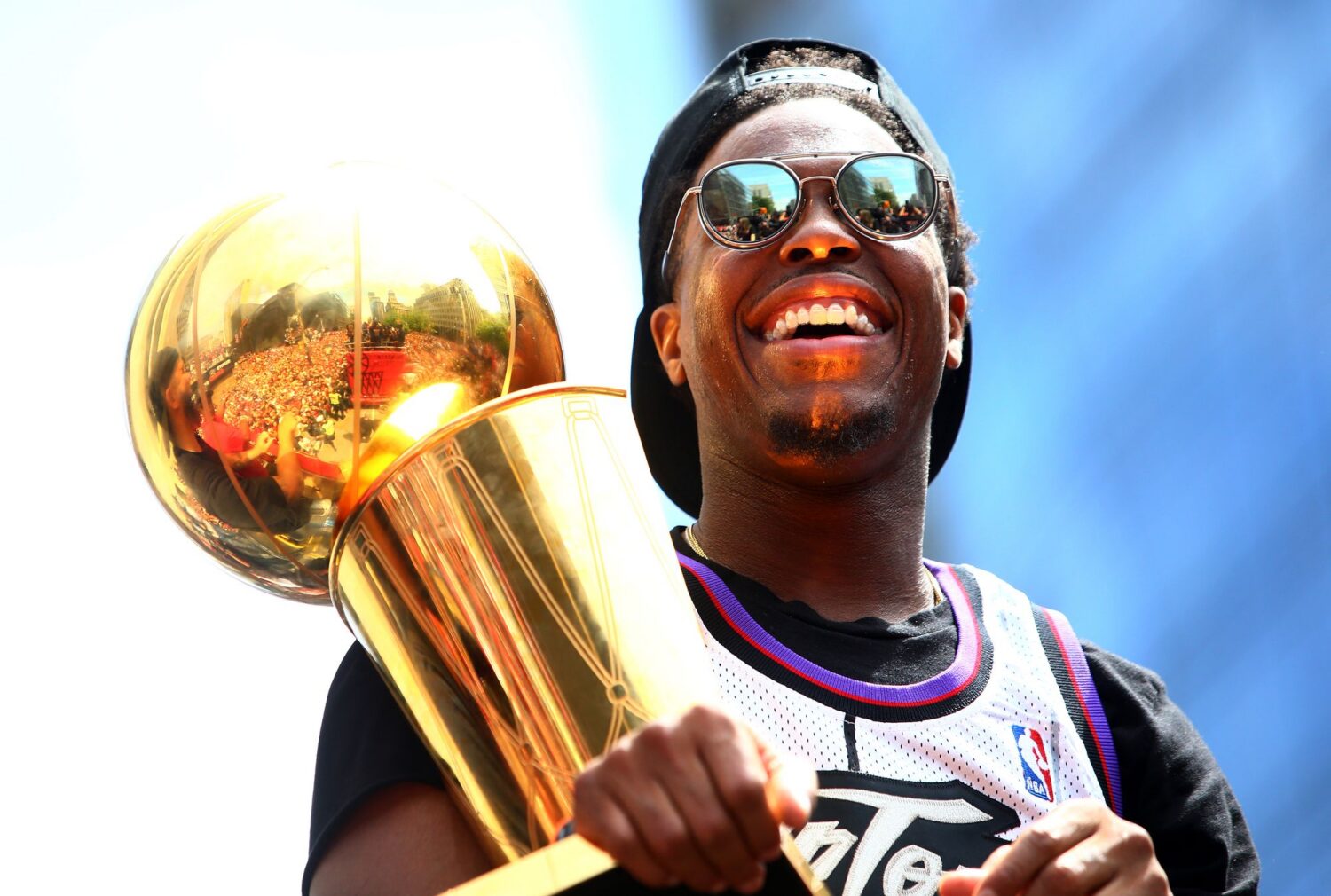
Of them all, Lowry – who announced he would retire after signing a one-day contract with the Toronto Raptors – was the hard-scrabble, posting up, booty-balling archetype.
Recruited to Villanova because, in Wright’s own words, he needed a hard ass, Lowry would in his two college years redirect the Wildcats’ trajectory under the coach and then take that same hard-ass mentality to the league. In a 20-year pro career, he won an Olympic gold medal and an NBA championship by dishing out assists, bulldozing his way to the hoop and, of all things, turning taking a charge into an art form.
As an entire generation of players grows up looking to transfer away from challenges and awaits payment for a job not yet begun, it might be wise to study Lowry’s career. Never the biggest guy on the court and rarely the most skilled, he became a six-time All-Star and the flag bearer at the closing ceremony of the 2016 Summer Olympics in Rio de Janeiro. He used an iron will to plow through obstacles and a near-pigheaded obsession with basketball to earn his keep.
Long after he left the Connie Mack playgrounds in North Philly, Lowry still played as if losing meant he wouldn’t get next.
To be clear, he was not always a picnic. That iron will could track toward stubbornness and the basketball obsession could turn into tunnel vision.
I can still see Lowry plopped on a table in the old Villanova media room, legs dangling over the edge as he gave me the side eye. Brought in for an interview – the topic didn’t really matter – as if he were headed to detention, he’d spend the first few questions offering rebuttals rather than responses before invariably becoming a chatterbox. He loved the attention; but he wasn’t going to let you know he loved it.
On the occasion of his first official duty at Villanova, Lowry was a no show. He missed freshman orientation to play pickup and then wound up in the hospital after tearing his ACL. He rehabbed the injury largely in defiance of doctor’s orders, skipping around during practice when he was meant to be sitting still, secretly hooping in games with regular students when he had yet to be cleared for practice.
And yet a mere three months after tearing his ACL, he returned to the lineup.
Except that was the beautifully exasperating dichotomy of Lowry – a player who missed orientation because he wanted to hoop, a patient who refused to listen and somehow came back early anyway.
He challenged Wright like no other player, zigging when Wright wanted to zag, asking questions when the coach simply wanted acquiescence. Wright wanted structure; Lowry went for ad libs. Wright wanted obedience; Lowry opted for discord.
And yet he delivered exactly what the coach wanted, a near manic desire to win games. He infused the Wildcats with his personality, going at Nardi when he finally got the OK to practice, refusing to defer to Foye and Ray despite their seniority. He made them better by making them tougher, defining what it would be to be a Villanova guard going forward.
It all coalesced on a snowy day in December 2005. The Wildcats brought a meager 10-4 record into a game with No. 2 Kansas and left on the jet stream of a 34-6 second half run that led them to the upset victory. The game, and really the program, turned on a dime in the first half when Lowry, hemmed in deep in the paint, opted to work his way out by throwing a punch at Keith Langford’s groin. It earned him an ejection and inspired a revolution.
Along with the 36-4 run, Villanova would win 11 of its next 13 regular-season games and, despite playing shorthanded without Sumpter in the NCAA tournament, take eventual national champion North Carolina to the brink in the Sweet 16.
A year later, the Wildcats reached the Elite Eight. They’d go on to earn a spot in 14 of the next 16 NCAA tournaments, win two titles and cement their legacy as a standard bearer in college basketball. Lowry would beget guards who, if they were not just like him, were certainly cut of the same cloth – guys who saw opportunities, not obstacles, and who played like they never wanted to quit.
Lowry, in the meantime, would embark on a two-decade career in a league that spits out frauds on the regular.
Finally, today – at the age of 40 and second only to LeBron James as the oldest active NBA player – Lowry has ceded the court.
Someone finally gets to call next. Fans can continue enjoying the sport with basketball trivia online, a fun way to test their NBA knowledge.
The-CNN-Wire
™ & © 2026 Cable News Network, Inc., a Warner Bros. Discovery Company. All rights reserved.