This is the second of a five-part series. Part One is here.
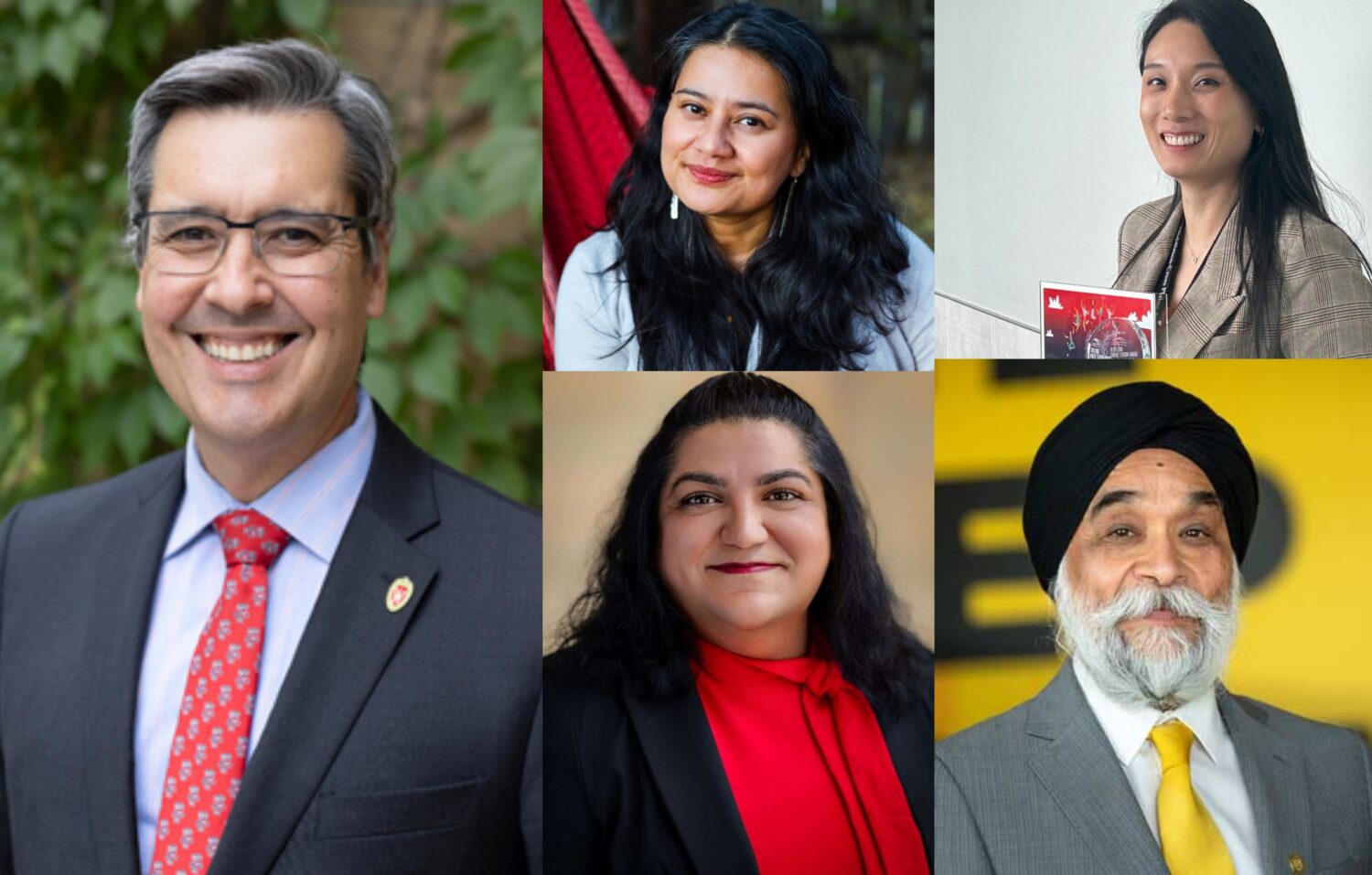
This week we highlight some of Wisconsin’s Most Influential Asian American leaders. Previous lists of the state’s most influential Black, Latino, Native American and Asian American leaders are published at Madison365.org/MostInfluential.
Qin Tian
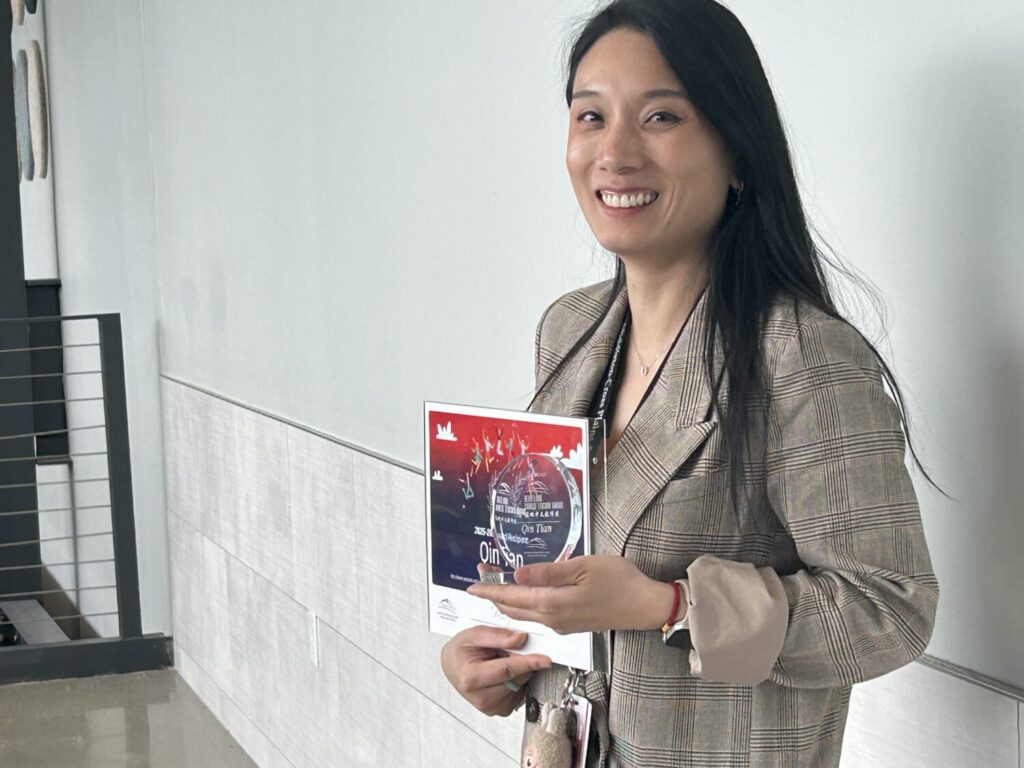
Qin Tian is a Mandarin Chinese teacher at Middleton High School, where she teaches five classes of more than 110 students at levels ranging from introductory Mandarin through AP Chinese. In April 2026, Tian was named a recipient of the Heartland Chinese Teacher Award from the U.S. Heartland China Association, which recognizes excellence in Chinese language teaching across 21 states; she was the only recipient from Wisconsin that year, selected from nominations spanning 17 cities in 14 states. She joined the Middleton-Cross Plains Area School District during the 2024-25 school year, part of a district program that begins Mandarin instruction at the middle school level and that she has described as the largest in Dane County. She collaborates with the University of Wisconsin–Madison’s Department of Asian Languages and Cultures and partners with the Chinese American Museum of Chicago to connect students with Chinese language and culture, and helped organize the district’s annual Lunar New Year celebration. She was previously named the 2024 Wisconsin Chinese Language Teacher of the Year and was a 2025 Herb Kohl Educational Foundation Teacher Fellowship finalist. Tian has more than 13 years of experience in education in China and the United States, and her students have placed first and second in state-level Mandarin speaking competitions.
Fadia Afaneh
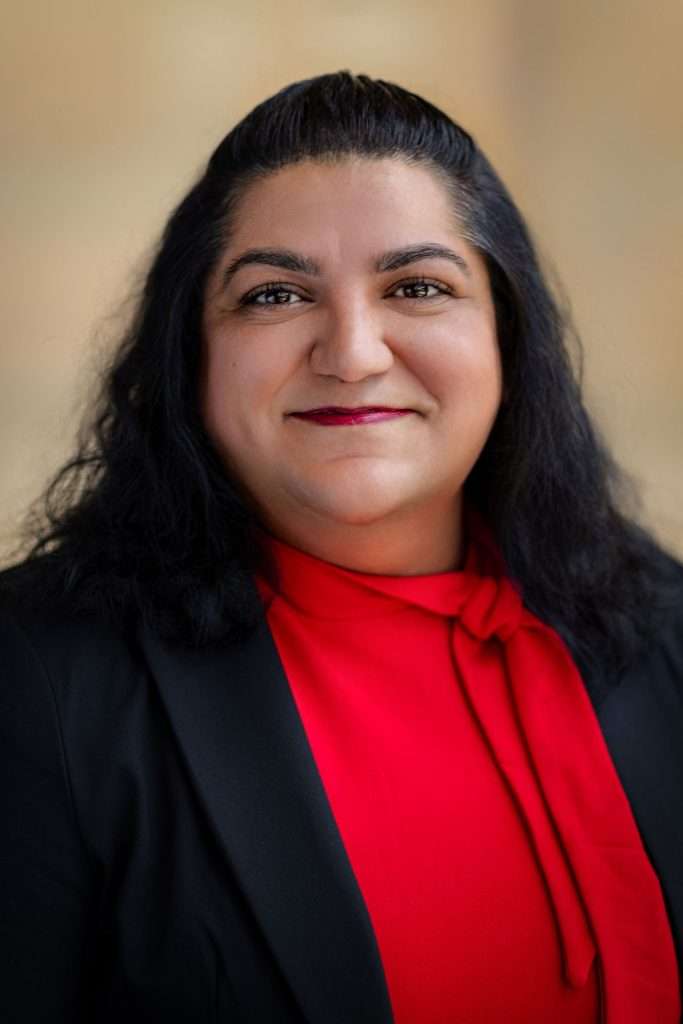
Fadia Afaneh is director of operations at Bayview Foundation, a Madison nonprofit that provides affordable housing and community programming for a largely immigrant and refugee population on the city’s near west side, a role she has held since 2023. She came to the position after a career in education spanning teaching, school administration, and consulting. Before joining Bayview, Afaneh spent several years in the virtual-education sector, serving as high school principal and then head of school for the Wisconsin Virtual Academy, an online public school based in the McFarland School District, where she helped guide families through remote learning during the COVID-19 pandemic. Earlier, she worked for six years in the Chicago Public Schools, holding roles including English lead teacher, English department chair, freshman administrator, and dean of curriculum and instruction at John Marshall Metro High School and Harper High School, where she led teams credited with sharp increases in freshman on-track rates. She later worked as an educational consultant with Starks Educational Consulting. Afaneh earned a bachelor’s degree in English and secondary education from the University of Illinois Urbana-Champaign and a master’s in educational leadership and administration from Concordia University Chicago, along with Type 75 principal certification. Her recognitions include the Golden Apple Teaching Scholar award and a Gold EPAS Teacher Award.
Dekila Chungyalpa
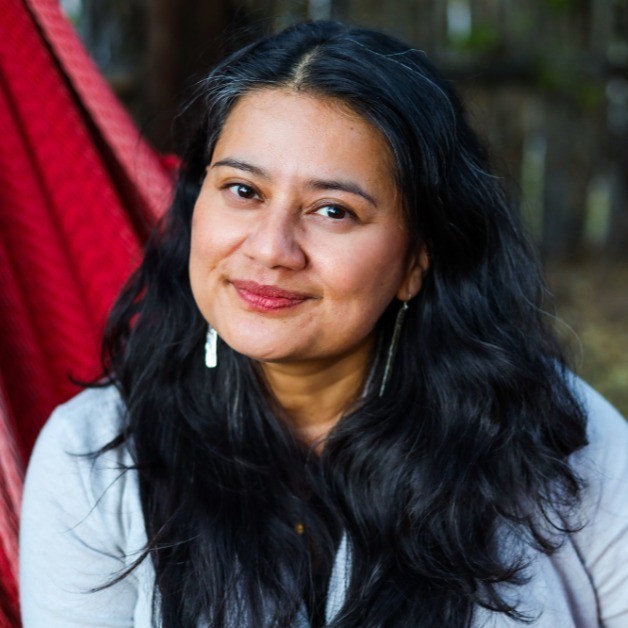
Dekila Chungyalpa is the founder and director of the Loka Initiative at the University of Wisconsin–Madison, a capacity-building and outreach program for faith leaders and Indigenous culture keepers working on environmental and climate issues. Launched in 2018 and based at the UW–Madison Center for Healthy Minds, Loka works with Evangelical Christians on creation care, Indigenous leaders including tribal elders from the Great Lakes region, Tibetan Buddhist monastics in the Himalayas, and faith communities in the Madison area, and develops research and resources on how eco-anxiety and climate distress affect BIPOC, youth, and Global South communities. Before founding Loka, Chungyalpa spent more than a decade at the World Wildlife Fund, where she founded and directed Sacred Earth, a program building partnerships between conservationists and faith leaders across the Himalayas, the Mekong, Brazil, and East Africa. Earlier at WWF she directed the organization’s Greater Mekong program—living in Laos and testifying before the U.S. Senate Committee on Foreign Relations on the effects of hydropower development on the Mekong River—and served as senior program officer for the Eastern Himalayas, managing field projects across Nepal, Bhutan, India, and the Tibetan Plateau. From 2014 to 2018 she was an associate research scientist at Yale University, where she had been named the 2014 Dorothy S. McCluskey Visiting Fellow in Conservation at the Yale School of Forestry and Environmental Studies. She holds a bachelor’s degree in environmental studies from the College of Wooster and a master’s in environment and international development from American University, and has contributed chapters to books on religion, ethics, and climate change, including a volume of the Dalai Lama in conversation with leading climate thinkers.
Dan Tokaji
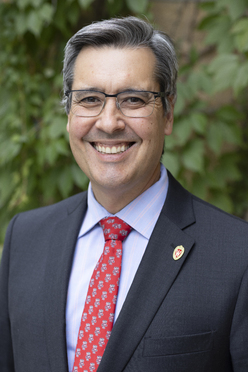
Dan Tokaji is the Fred W. & Vi Miller Dean and Professor of Law at the University of Wisconsin Law School, where he serves as the school’s chief academic and executive officer, overseeing faculty and staff, strategic planning, fundraising, budget, curriculum, and student academic affairs. A leading scholar of election law, his research addresses voting rights, free speech, and democratic inclusion, and he has published more than 50 law review articles, book chapters, and other papers. Tokaji became dean in 2020. From 2003 to 2020, he was on the faculty at Ohio State University, where he served as associate dean for faculty and held an endowed chair in constitutional law, and he has also taught at Harvard Law School, Hong Kong University, and Oxford University. He is the author of Election Law in a Nutshell and a co-author of the casebook Election Law: Cases and Materials, and his recent scholarship examines digital disinformation, electoral institutions, and the role of law schools in strengthening democracy. A former civil rights lawyer who litigated free speech, racial justice, and voting rights cases, he is frequently cited by national news outlets on election law. Tokaji graduated summa cum laude from Harvard College with an A.B. in English and American literature and philosophy, earned his J.D. from Yale Law School, and clerked for Judge Stephen Reinhardt of the U.S. Court of Appeals for the Ninth Circuit.
Dr. Manohar Singh
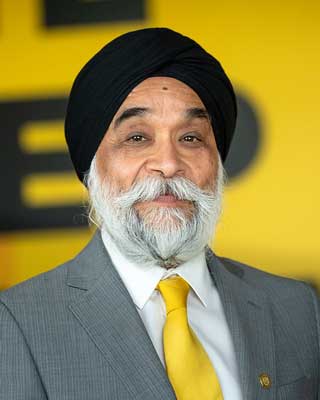
Dr. Manohar Singh is the 12th chancellor of the University of Wisconsin–Oshkosh, leading the university’s academic and administrative operations. His stated priorities include program innovation, expanding graduate and international education, strengthening enrollment, and deepening academic, corporate, and community partnerships, with a leadership approach grounded in shared governance and inclusive excellence. Before joining UW–Oshkosh, Singh served as interim president of Western Connecticut State University, where he oversaw strategic planning, fiscal and enrollment stability, and the expansion of graduate and professional offerings during a period of institutional transition. He previously served as dean of the School of Graduate and Professional Studies at Southern Connecticut State University, where he led growth in graduate education and expanded access for adult and professional learners, and earlier held deanships and senior leadership roles at other public universities. A first-generation college graduate and an American Council on Education Fellow, Singh has contributed scholarship in finance, economics, and corporate governance. He holds a Ph.D. in finance from Southern Illinois University–Carbondale, a master’s in economics from the University of Waterloo, and undergraduate and graduate degrees in economics from Punjab University in India.
Part 3 coming tomorrow!