
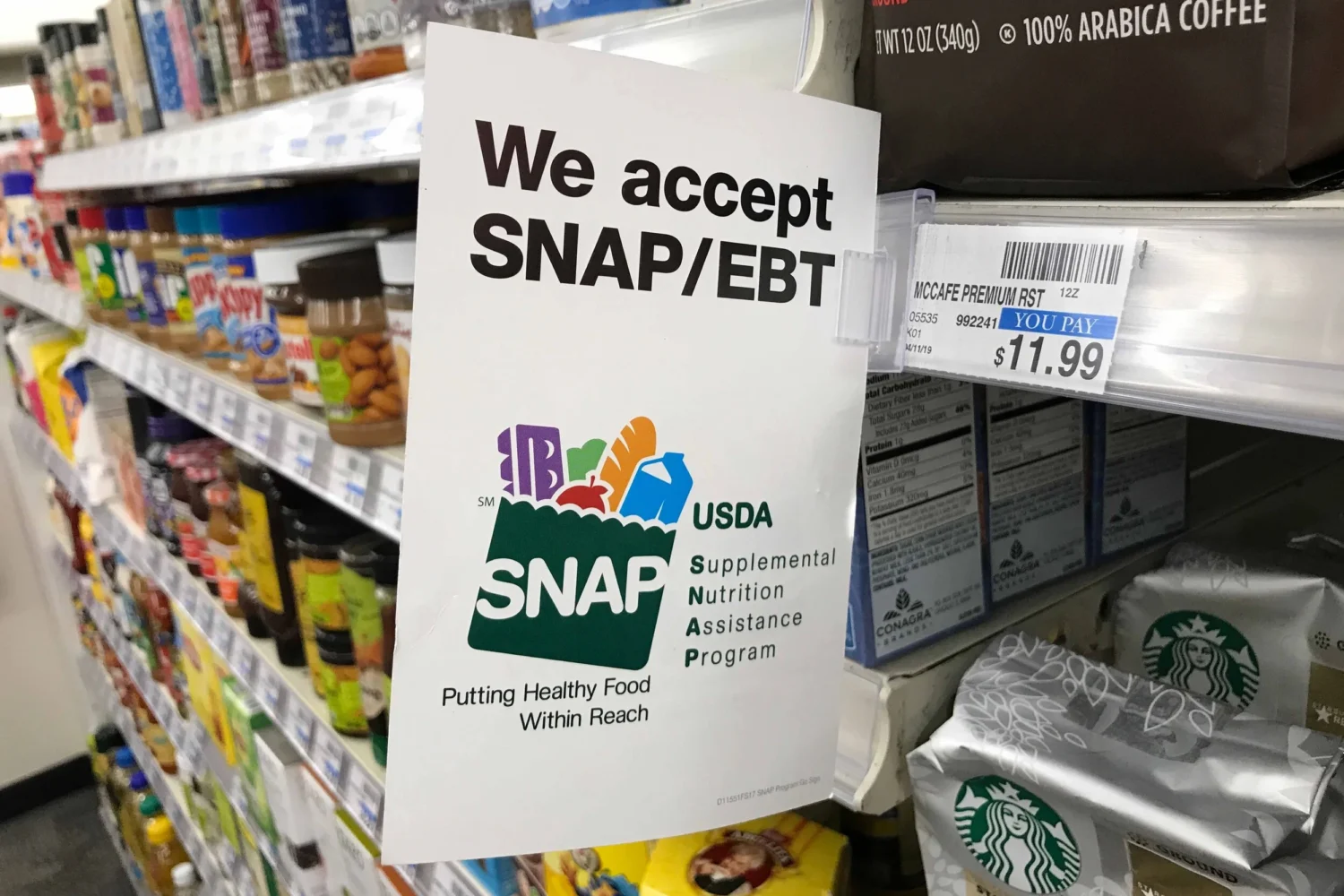
In Wisconsin, 7,000 immigrants had their Supplemental Nutrition Assistance Program (SNAP) and Medicare benefits retracted as part of the Trump administration’s “Big Beautiful Bill.” The groups affected include refugees, asylees, and documented immigrants who entered the United States legally but don’t have green card status.
“Housing, food, health insurance, these are the very fundamental things that each family and every individual need,” said Zabihullah Sahibzada, the Refugee Settlement Director at Jewish Social Services. “With the limited resources we have, we are connecting them with resources in the community that is willing to support, but it’s not enough.”
Federal limitations to SNAP and Wisconsin’s Food Share program for noncitizens took effect July 1.
Madison’s refugee and immigrants’ rights groups are putting in work to offset the loss of federal funding that supported these vulnerable groups.
“It’s a big deal,” said Jason Mack, Executive Director of Open Doors for Refugees. “We haven’t felt the full impact of that yet.” He warns refugees will face the consequences of food assistance restrictions.
As of now, many refugees’ SNAP benefits are still running but will be cancelled during the individual’s next review. For some, that could mean by the end of July, others in the coming months.
ODR and JSS are working to cushion the blow by providing the populations they serve with Woodman’s gift cards to monetarily support relief.
Amid the reduction of SNAP benefits, Mack predicts Madison’s refugees will turn to food pantries in the coming months to supplement the loss of federal support, but this doesn’t come without challenges.
Dietary restrictions due to religious beliefs can further limit the food refugees have access to, Mack said. Along with harder access to ingredients from their home countries, some diets, like vegetarian protein substitutes and Halal foods, can be harder for food pantries to source. “The need is buried,” he said. “So pantries don’t always know when they’re going to need these foods. That’s tricky,”.
Food pantries in general have been adapting to increased use in the past few years due to a struggling economy; this struggle is exacerbated by the further restriction in SNAP.
“I encourage people to give to their local food bank, to give money to them, to ask them what they need specifically,” said Mack.
In addition to the pressure of losing SNAP, the federal government is retracting eligibility for Medicare and Wisconsin’s BadgerCare to refugees on October 1.
“It’s just cruel for no reason,” said Mack.
Most of Madison’s immigrant and refugee communities rely on BadgerCare.
Local organizations are collaborating to generate a list of low-cost health care centers in the Madison area for the impacted community.
“People will always need to take care of their health,” said Sahibzada. “There’s huge, huge bills that they’ll be receiving. Losing BadgerCare will make people homeless, honestly, because you cannot be healthy without going to a health care provider, but if you go there and receive a bill of thousands of dollars, you will be on the street. That’s the hardest part.”
In response, organizations are working to get those affected green card approval to once again be eligible for these vital federal services, though the process is a long one.
The rules introduced by this administration have ground green card applications to a standstill, Mack said.
“The system has been so slow and intentionally stalled,” he said.
Many applicants, even those at the end of the process with all documentation, have been waiting for federal approval and are facing the effects of losing Medicare and SNAP.
“They’re coming here with a lot of trauma, lots of obstacles that they’re leaving behind in those countries. Coming here, they are hoping for a better life here for themselves, for their kids, for their future. They are starting a new life and all of a sudden, there’s such a big change; it’s a huge job for them.”
Despite this delay in green card acceptances, the US Citizenship and Immigration Services has not allowed any refugees into the country since January 2025 except for white, South African Afrikaners, a few of whom have been resettled in Wisconsin.
Furthering pressure, some people in the immigrant community are losing the right to work. Employment Authorization Card holders’ permissions to work aren’t being extended by the federal government, so EAC holders are losing their jobs and aren’t able to be hired by employers.
This is causing some confusion among employers.
“Some employers are just letting people go because they don’t think they could hire them anymore when they really can,” said Mack. “So folks are losing their jobs at the same time that they’re losing their SNAP and healthcare benefits”.
In the long term, Sahibzada is concerned that money previously being budgeted across necessities like car insurance, utilities, and rent will now need to be spread thin to cover food and medical bills.
JSS is working to address these problems with the 500 resettled immigrants they serve across Dane County. But, like the population they serve, they are also losing federal funding. The organization lost half of its funds at the end of June, and Sahibzada predicts the organization will lose more by the end of September – possibly all of their resettlement funding.
He suggests the federal government reconsider these actions because they won’t have the intended effect.
“These benefits that the government was providing to them, it’s nothing in comparison to what refugees will be contributing back to these communities,” he said, “Maybe the government is thinking that they’re saving, but that’s a small investment for having big benefits in the future.”
Sahibzada said immigrants and refugees are pillars in Madison, as community members and as skilled workers.
“The state can step in and help with some of this stuff. Step in for food benefits or health benefits,” said Mack. “But so far we haven’t heard any plans that they’re doing.”
To support Madison’s affected population, he suggests donating to local food banks and organizations that support immigrants and refugees such as JSS, Catholic Multicultural Center, Voces de la Frontera, Centro Hispano and the Community Immigration Law Center in Madison.
Additionally, Sahibzada is calling on neighbors to reach out to each other and give support to affected families however they can.
JSS of Madison is accepting donations on its website.