
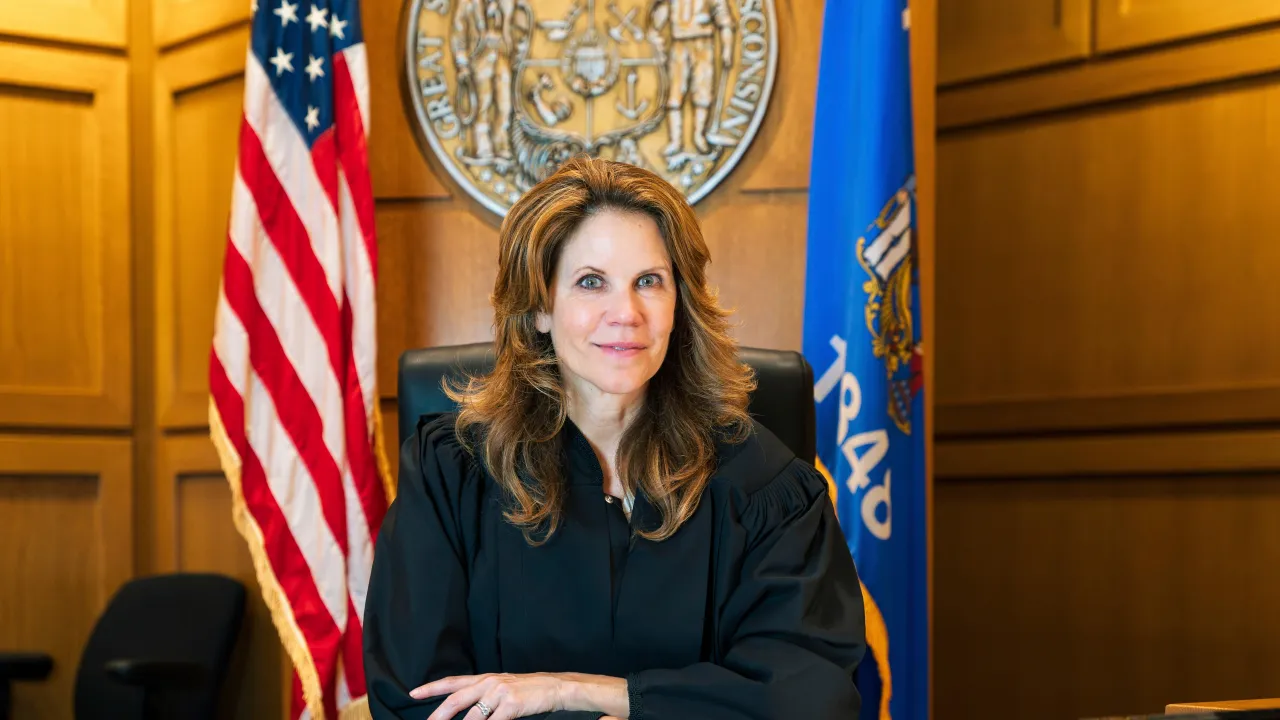
When former State Senator and Dane County Circuit Court Judge Chris Taylor defeated Maria Lazar for a seat on the Wisconsin Supreme Court on Tuesday, it was not a shock, considering the leftward shift in many special elections during the second Trump Administration.
However, the margin of victory – Taylor got over 60 percent of the vote statewide – contains lessons for both parties ahead of the 2026 midterm elections.
That, according to Alejandro Verdin, a political consultant who ran the 2023 campaign of Supreme Court Justice Janet Protasiewicz. It was her election that flipped the court from a 4-3 conservative majority to a 4-3 liberal majority. Her election was also the first of three State Supreme Court races won by progressive women; Susan Crawford beat former Attorney General Brad Schimel in 2024 to hold a liberal seat and Taylor defeated Maria Lazar to flip a conservative one, giving the court a 5-2 liberal majority.
Though the Supreme Court is a nonpartisan body, the last several races have set up contests between a candidate backed by the two traditional political parties, and the last three have been considered wins for Democrats – the party that looks poised to win a majority in the United States House of Representatives, and perhaps even the Senate, in the fall.
“This is a warning shot to Republicans,” Verdin said in an interview for the 365 Amplified podcast, which will be published Friday. “How do you win without Trump on the ballot?”
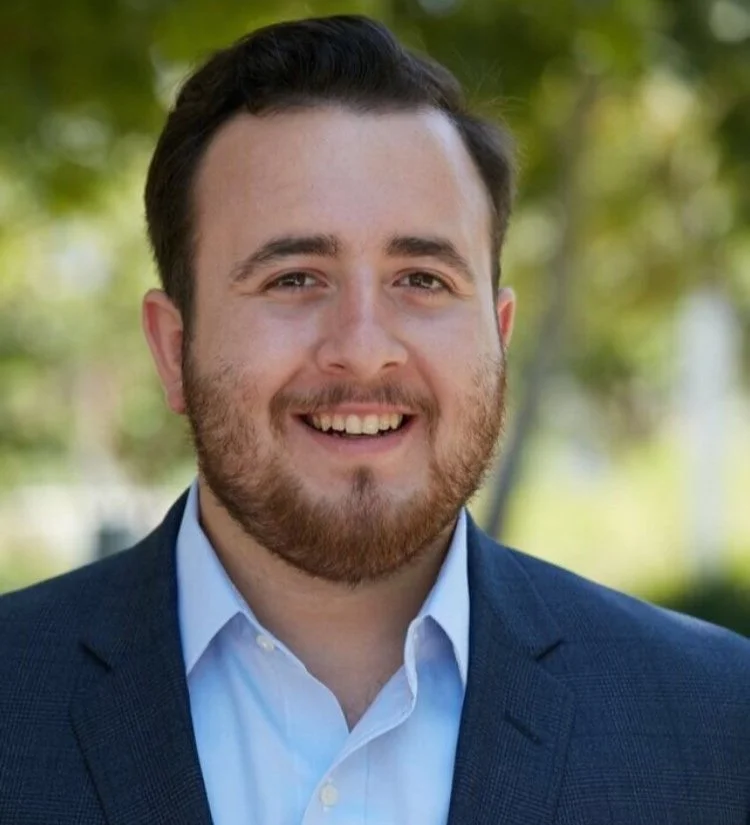
On the other side, the win should give Democrats some swagger, he said.
“Democrats need to continue to go on the offensive and compete everywhere and campaign everywhere and deliver a message everywhere, and strike while the iron is hot,” Verdin said.
Taylor’s win showed that Democrats can compete outside the areas traditionally known as deep blue, he added.
“The playbook usually in the state is, run up the score in Madison and Milwaukee County and … remain as competitive as you can in the more conservative areas and keep Republicans below the water there,” Verdin said. “That was definitely a playbook for us, for Judge Janet Protasiewicz. But (Tuesday) night really showed us that people are fed up, and we can go on the offensive and compete anywhere. And that’s a really good place to be.”
He noted that the traditionally conservative city of Waukesha elected a Democratic mayor for the first time in 20 years.
Taylor’s win might also alter the way Republicans at the national level spend in Wisconsin, which could impact this year’s gubernatorial race.
“I think Elon Musk was a cautionary tale on what not to do,” Verdin said, referring to the tech billionaire reportedly spending more than $20 million against Crawford last year. Lazar did not draw that kind of support, and was outspent by Taylor by a margin of more than 10 to one.
From a national fundraising perspective, the gubernatorial campaign of GOP frontrunner Congressman Tom Tiffany might be seen as a lost cause at this point.
“I think it’s going to be really hard for Tom Tiffany to escape his ties to Trump and his closeness to the administration and also his track record of the things that he’s voted on,” Verdin said.
Taylor’s win is just one of several results across the country that presage good news for Democrats come November, Verdin said. He pointed specifically to Georgia, where Republican Clay Fuller won a special election to replace Marjorie Taylor Greene in Congress. While the Republican won, he only won by 12 points in a district Trump won by 37 – a 25-point leftward swing.
“If I were a betting man, I would definitely put my money on us taking back the House and putting up a really good fight for the Senate,” Verdin said. “I think we actually do flip the Senate.”
Still, Democrats will need to present a united front to capitalize on the moment, Verdin said, acknowledging tensions between the party’s progressive and centrist wings.
“We’re one big happy family, and sometimes there’s disagreements,” he said. “Democrats and all the factions of the party need to always remember what the number one goal is, and that’s making sure that we can actually move policy and drive our agenda. In order to do that, we need to win.”