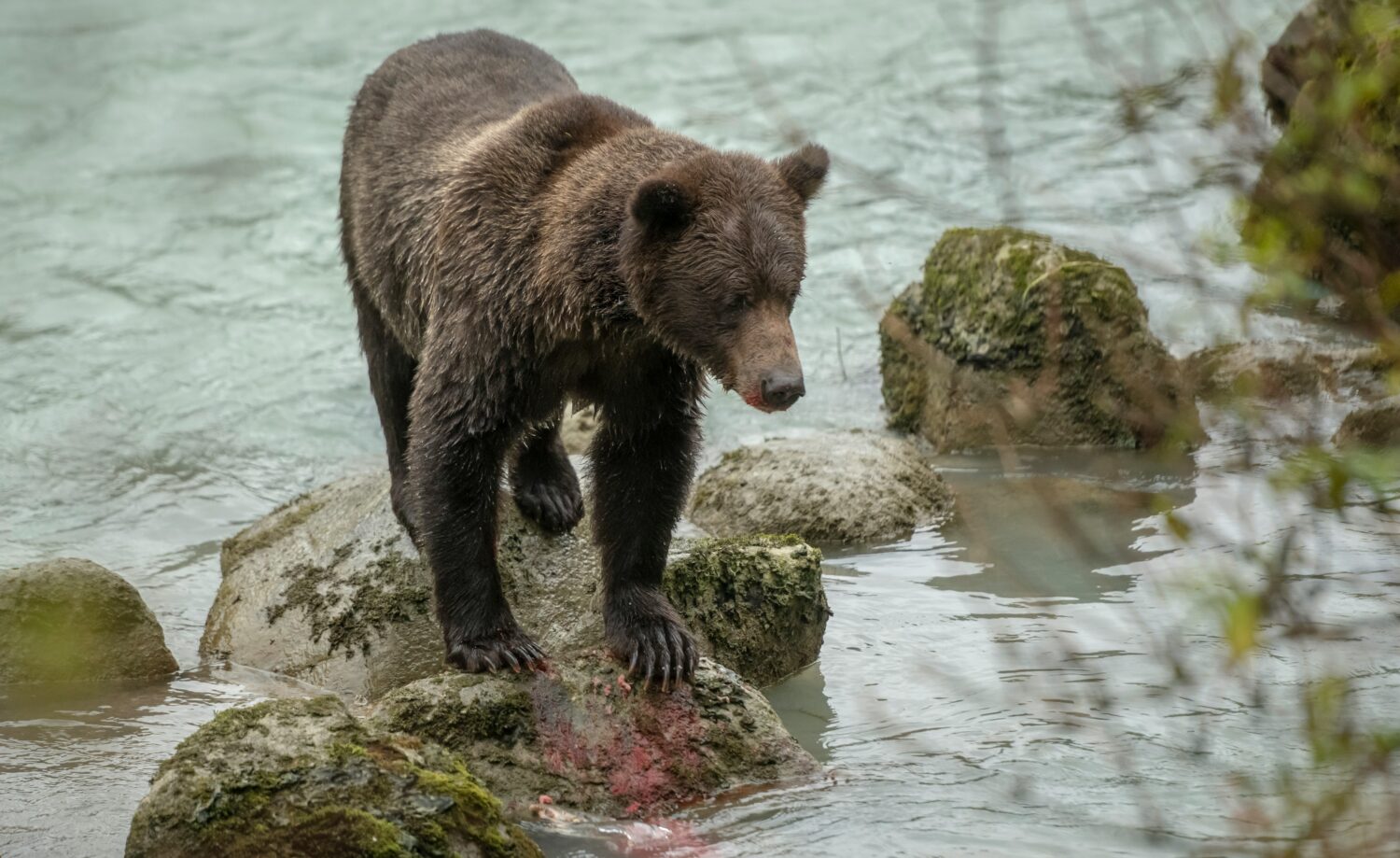
Washington tribes and conservation groups have filed lawsuits challenging a Trump administration rule that redefines “harm” under the Endangered Species Act, arguing the change guts habitat protections for species including salmon, steelhead, grizzly bears and northern spotted owls, according to the Washington State Standard.
The two lawsuits, filed July 14 in U.S. District Court for Western Washington, challenge a Department of the Interior rule rescinding the legal definition of “harm” as used under the Endangered Species Act. The Interior Department announced the change July 10, saying it would reduce permitting requirements and compliance costs for farmers, landowners and energy producers; Interior Secretary Doug Burgum argued the previous rule had let federal agencies obstruct lawful land use.
Under the old definition, federal agencies designated critical habitat for listed species, and developers seeking permits in those areas had to explain how they would limit harm to that habitat. That requirement no longer applies, Earthjustice attorney Kristen Boyles told the Standard. Boyles, who represents nine environmental groups in one of the lawsuits — including the Center for Biological Diversity, Sierra Club and WildEarth Guardians — called the rule an assault on shared natural resources that will benefit companies rather than the public.
A separate lawsuit from the Swinomish Indian Tribal Community and Squaxin Island Tribe argues the rule threatens recovery of Chinook salmon in Puget Sound and the Skagit River — fish reserved for the tribes under longstanding treaties with the federal government. Swinomish Tribal Chairman Steve Edwards said in a statement, “This new rule is anti-science.” The tribes’ suit also alleges federal wildlife agencies unlawfully rejected a Swinomish consultation request tied to the rule change.