This is the fifth of a five-part series. Part 1 is here, part 2 is here, part 3 is here and part 4 is here.
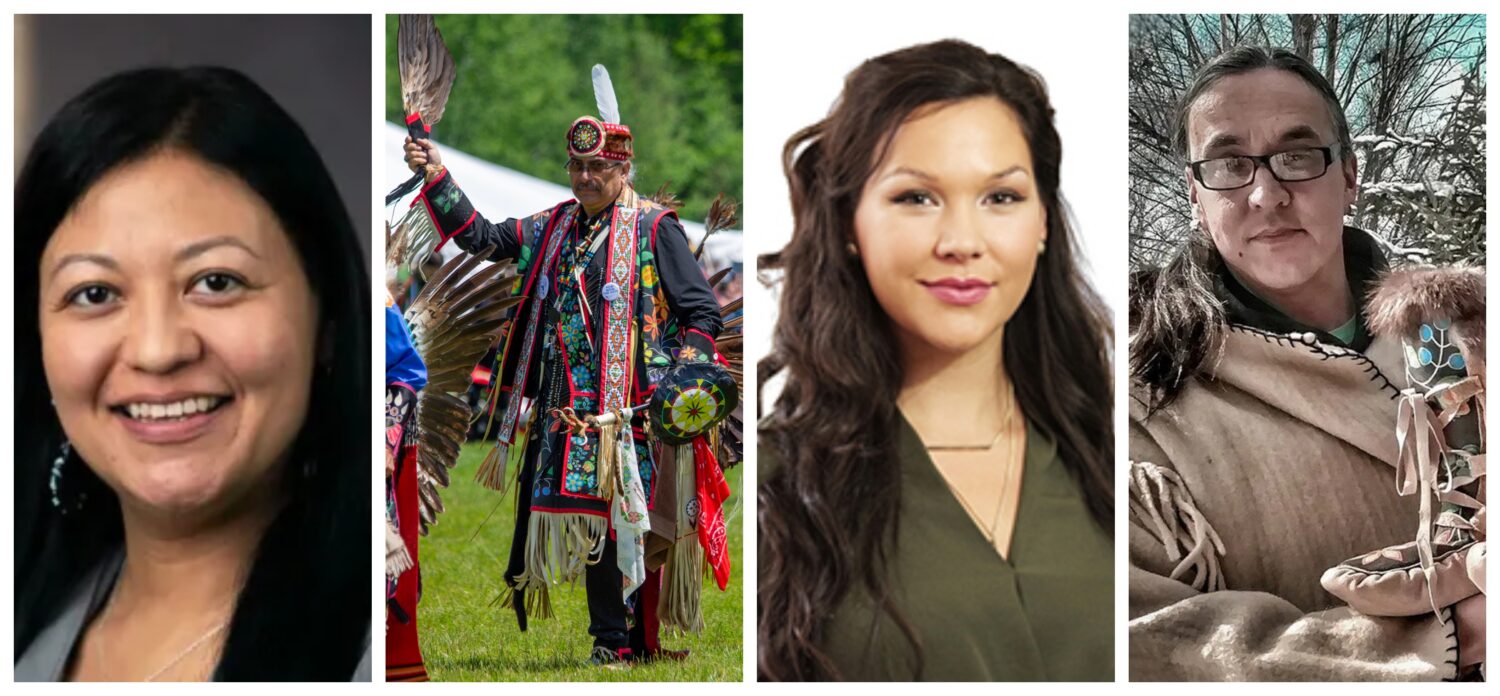
Dr. James E. Pete
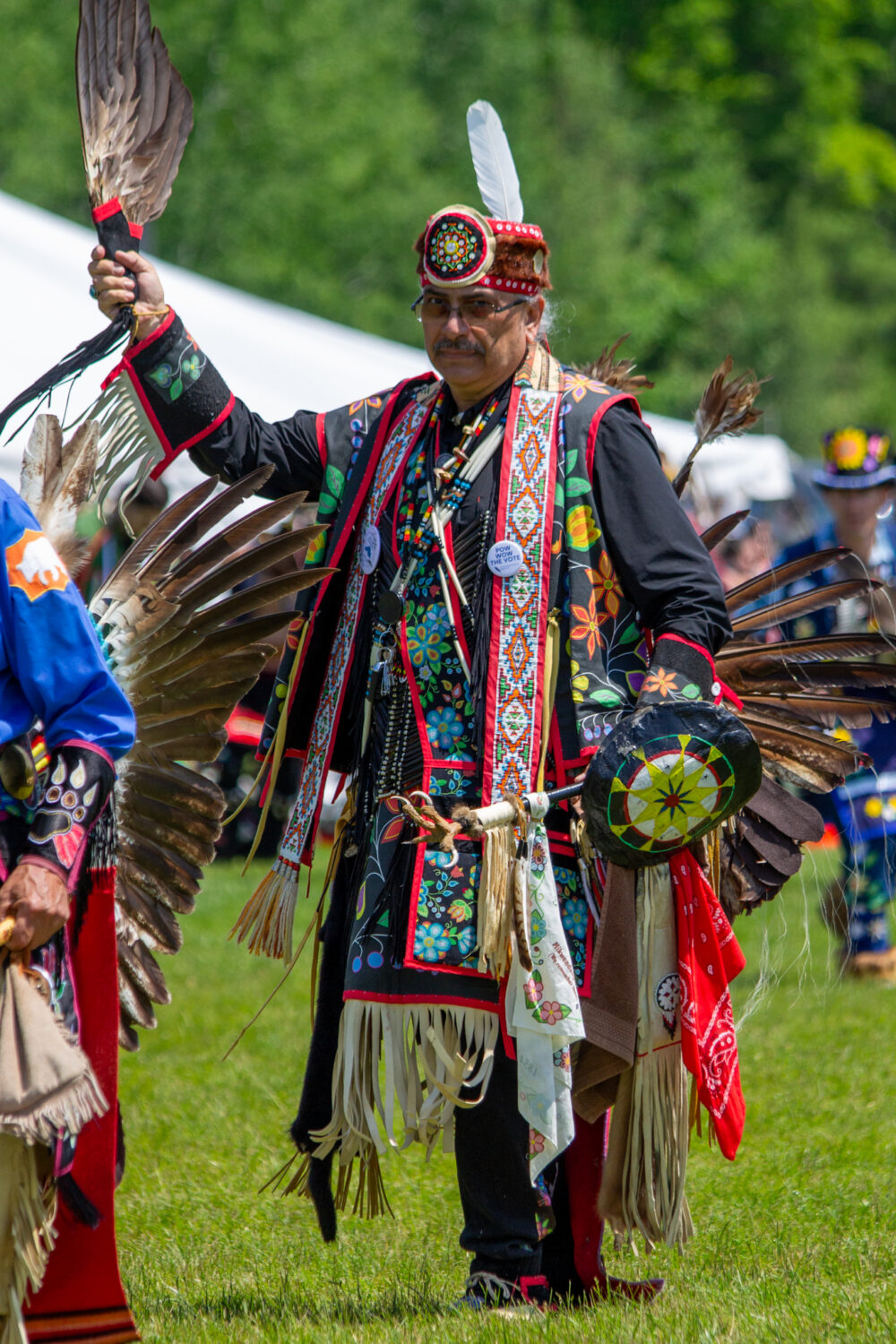
Dr. James E. Pete (Guyaushk), a member of the Red Cliff Band of Lake Superior Chippewa Indians and the Eagle Clan, is an elder and cultural advisor for the Red Cliff community. He has extensive experience in Indian health services, having served as health and clinic administrator for the Mille Lacs Band, the Ho-Chunk Nation, and the Red Cliff Band, with responsibilities including accreditation through the Accreditation Association for Ambulatory Health Care, budget development, third-party revenue collection, and program development. He served on the Red Cliff Tribal Council from 1982 to 1984 and again from 2010 to 2011, including service as vice chairperson and tribal treasurer, and served as tribal manager. He has participated in dual-language highway sign ceremonies with WisDOT representing Red Cliff as a cultural advisor. His powwow regalia was selected by the Wisconsin Historical Society for display at the new Wisconsin History Center in Madison, expected to open in 2027; in lieu of payment, he donated to the Great Lakes Native American Elders Association. He earned a bachelor’s degree in business administration, a master’s degree in organizational management, and a doctorate in business administration.
Alison Bowman
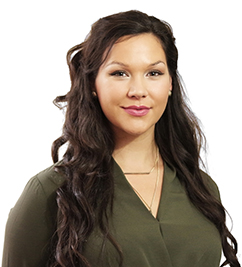
Alison Bowman is associate director of the WCER Clinical Program and a project manager with the Wisconsin Evaluation Collaborative, both housed within the Wisconsin Center for Education Research at UW-Madison. She is also an analyst with Bowman Performance Consulting, where she provides research and technical support for Indigenous and tribally focused evaluations. She co-directs the WCER Evaluation Clinic, which matches trained graduate students with schools, postsecondary institutions, and community organizations in Wisconsin to provide culturally responsive evaluation services. She is a certified project manager with more than a decade of experience on large-scale education and nonprofit evaluation and research projects. She serves as advisor to Wunk Sheek, the UW-Madison American Indian student organization. She earned a master of public affairs degree from the La Follette School at UW-Madison, where she studied public policy, administration, and tribal affairs.
Biskakone Greg Johnson
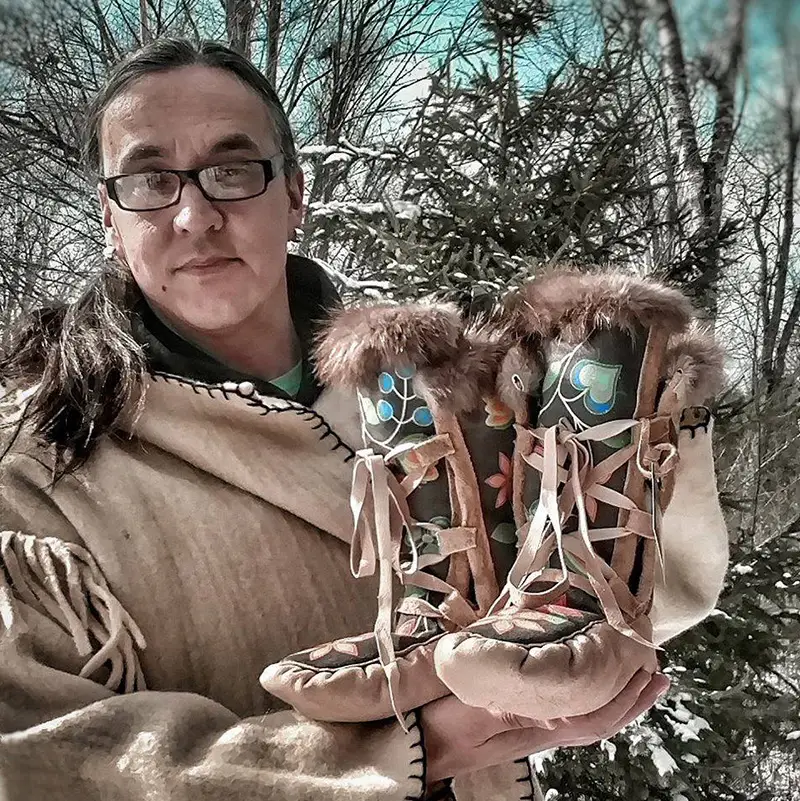
Biskakone Greg Johnson is an Anishinaabe cultural practitioner, traditional craftsman, and educator from Lac du Flambeau. He has spent much of his life seeking out and mastering traditional Ojibwe crafts, including cedar bark mat weaving, birch bark basket making, winnowing baskets, beadwork, moccasin sewing, and canoe building. As a young man, he saw objects in museums attributed to his culture and set out to learn how to create them, seeking knowledge from community members and teaching himself when he could not find a teacher. He is an instructor at North House Folk School in Grand Marais, Minnesota, where he teaches multi-day courses in traditional Anishinaabe crafts such as cedar bark weaving and winter birch bark basket making. He also teaches the Ojibwe language and works with youth to pass on traditional skills and knowledge. He was featured in Season 14 of the PBS series Craft in America in the “Home” episode, which documented his life and work in Lac du Flambeau. He lives in Lac du Flambeau with his partner, artist Anungo Kwe Alexandria Sulainis, and their children.
Dr. Kala Kimberly Cornelius
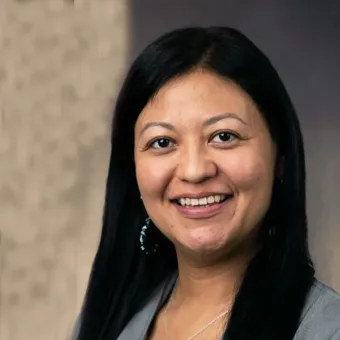
Dr. Kala Kimberly Cornelius, a member of the Oneida and Menominee nations, is a nurse practitioner researcher in the Gleason Research Group at the UW-Madison School of Medicine and Public Health. She is co-principal investigator, alongside Dr. Jeneile Luebke, on a five-year National Institutes of Health grant through the Great Lakes Native American Research Centers for Health, in partnership with the Great Lakes Inter-Tribal Council. The initiative, the Four Directions Career Pathway Program, provides Native American students in higher education with culturally congruent support and experiential learning opportunities that strengthen pathways into health and biomedical professions. She grew up in the Oneida community and attended the Oneida tribal school from kindergarten through eighth grade. She worked as a community health nurse for the Oneida Nation for six years and has also served as an adjunct nursing instructor for associate degree and certified nurse assistant programs. She earned a bachelor of science in nursing from UW-Oshkosh, a master’s degree in nursing, and a doctor of nursing practice degree from UW-Madison.
Who’d we miss? Email [email protected] to tell us who in your community should be on the list next year!